When America Sang the Same Song: How We Lost Our Shared Musical Heartbeat
The Last Song Everyone Knew
On July 13, 1985, something remarkable happened in Philadelphia. As "We Are the World" played during Live Aid, nearly two billion people across the globe found themselves humming the same melody. Not just Americans — everyone, everywhere, sharing the same musical moment.
That kind of universal musical experience feels impossible today. Not because we lack the technology to reach billions of people, but because we've built systems that make sure we never have to hear the same song as our neighbor unless we actively choose to.
When was the last time a song stopped America in its tracks? When did you last find yourself humming something that you knew, without question, everyone else was humming too?
The Top 40 Republic
For roughly four decades, from the 1950s through the 1980s, American popular music operated like a democracy. Every week, the nation voted with their wallets and radio requests to determine which songs deserved to be heard by everyone.
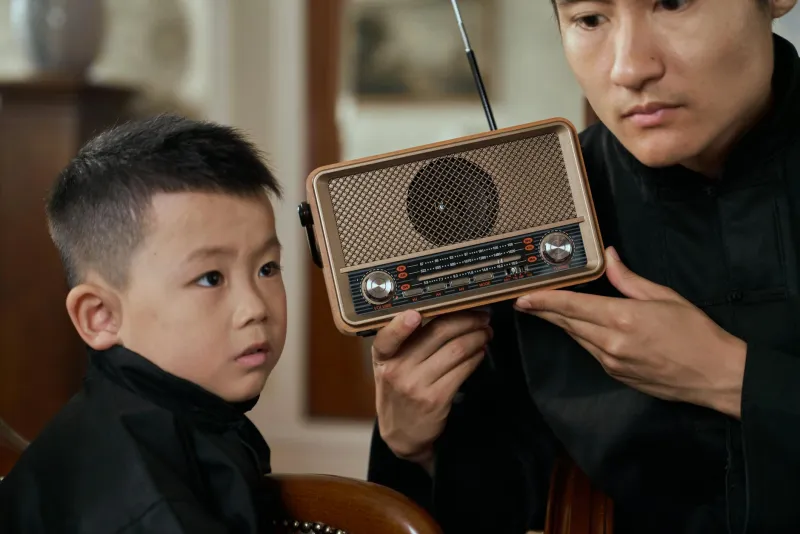
Top 40 radio wasn't just entertainment — it was a shared cultural experience that transcended geography, class, and generation. Whether you lived in Manhattan or rural Montana, you heard the same songs in the same order at roughly the same time. Casey Kasem's American Top 40 countdown was appointment listening that turned Sunday afternoons into national sing-alongs.
This system created something we've lost: a common soundtrack to American life. The Beatles' "Hey Jude," Michael Jackson's "Billie Jean," or Whitney Houston's "I Will Always Love You" weren't just popular songs — they were cultural events that everyone participated in simultaneously.
The Gatekeepers Had Power
The music industry operated through a handful of chokepoints that determined what Americans heard. Record labels decided which artists got promoted. Radio program directors chose which songs got airplay. MTV controlled which videos entered heavy rotation. Rolling Stone and other magazines shaped critical opinion.
This system had obvious flaws. It was dominated by white, male executives who often ignored entire genres and communities. Countless talented artists never got heard because they didn't fit the narrow definitions of what was commercially viable.
But the centralized system also created something valuable: shared cultural moments. When a song broke through these barriers, it really broke through. Everyone heard it, everyone talked about it, everyone either loved it or hated it together.
The Streaming Revolution
Spotify, Apple Music, and other streaming platforms promised to democratize music discovery. No more gatekeepers deciding what you could hear. No more geographic limitations on what was available. The entire history of recorded music at your fingertips, personalized to your exact tastes.
The technology delivered on these promises spectacularly. Today's music fans have access to more songs, artists, and genres than any generation in human history. You can explore Norwegian black metal, 1960s Brazilian tropicália, or obscure Detroit techno with equal ease. The barriers between listener and music have essentially disappeared.
But something unexpected happened: infinite choice didn't create more musical unity. It created infinite fragmentation.
The Algorithm Knows You Too Well
Streaming platforms use sophisticated algorithms to predict what you'll like based on what you've already listened to. These systems are remarkably effective at finding music that matches your existing preferences. They're also remarkably effective at ensuring you never accidentally encounter anything that challenges those preferences.
If you like indie rock, the algorithm serves you more indie rock. If you prefer hip-hop, you get hip-hop recommendations. The system optimizes for engagement, which means giving you more of what you already know you like rather than introducing you to something completely different.
This creates musical echo chambers that are far more sophisticated than anything radio ever produced. Instead of everyone hearing the same limited playlist, everyone now hears a different unlimited playlist perfectly tailored to their existing tastes.
The Death of Musical Accidents
Radio's limitations created accidental discoveries. You'd be driving to work when some song you'd never heard would come on, and suddenly you'd find yourself singing along to something completely outside your usual preferences. The DJ might play a country song followed by a punk track followed by a disco hit, forcing listeners to experience musical whiplash that often led to expanded tastes.
Streaming algorithms have essentially eliminated these accidents. The system is designed to predict what you want to hear so accurately that you rarely encounter genuine surprises. You can spend years on Spotify without ever hearing a song that challenges your musical assumptions.
This isn't necessarily bad for individual music discovery — the algorithms are excellent at finding obscure tracks you'll love. But it's terrible for creating shared cultural experiences.
The Fragmentation of Fame
Today's music landscape produces artists who are simultaneously massive and invisible. A rapper can have 50 million monthly Spotify listeners while remaining completely unknown to anyone who doesn't listen to hip-hop. A country star can sell out stadiums while being invisible to pop music fans.
This fragmentation means we no longer have truly universal musical experiences. The closest thing to a shared hit in recent years might be "Old Town Road" or "Baby Shark," but even these songs existed primarily within specific demographic bubbles before briefly crossing over.
Compare this to Michael Jackson's "Thriller," which dominated MTV, Top 40 radio, R&B charts, and rock stations simultaneously. Or consider how "Bohemian Rhapsody" managed to unite prog rock fans, pop listeners, and opera enthusiasts around a single six-minute song. These cross-demographic musical events feel impossible in today's fragmented landscape.
The Playlist Culture
Instead of albums or even individual songs, we now consume music through playlists — both human-curated and algorithmic. These playlists serve specific moods, activities, or genres rather than introducing listeners to complete artistic statements or diverse musical experiences.
"Chill Indie Folk," "Beast Mode," and "Rainy Day Jazz" represent how we've organized music around utility rather than discovery. The playlist titled "Songs Everyone Knows" would be impossible to create today because there are no songs everyone knows.
What We Gained and Lost
The democratization of music has produced incredible benefits. Artists can reach audiences without record label gatekeepers. Listeners can explore any genre or era without geographic or economic barriers. The diversity of available music is unprecedented.
But we've lost something that's hard to quantify: the shared cultural experience of everyone discovering the same song at the same time. The water cooler conversations about last night's new video on MTV. The communal experience of hearing "your song" come on at a wedding and watching the entire dance floor erupt.
Music used to be one of the primary ways Americans experienced culture together. Now it's become one of the primary ways we experience culture apart.
The Silence Between Us
The most striking change might be the end of musical small talk. You used to be able to assume that most people had heard the current number-one song, making music a universal conversation starter. Now, asking someone if they've heard a particular artist often leads to blank stares, even if that artist has millions of fans.
We've gained personalized perfection but lost communal discovery. We've optimized for individual satisfaction but eliminated shared surprises. We've created a world where everyone can find exactly what they're looking for, but nobody accidentally finds what they didn't know they needed.
Somewhere in America, someone is listening to the perfect song for this exact moment, recommended by an algorithm that knows their taste better than they know themselves. Somewhere else, someone is listening to a completely different perfect song, equally personalized and equally isolated.
They're both having great musical experiences. But they're having them alone, in separate universes that will never accidentally collide on the radio dial.