America's Greatest Equalizer Sits Empty While We Pay for What Used to Be Free
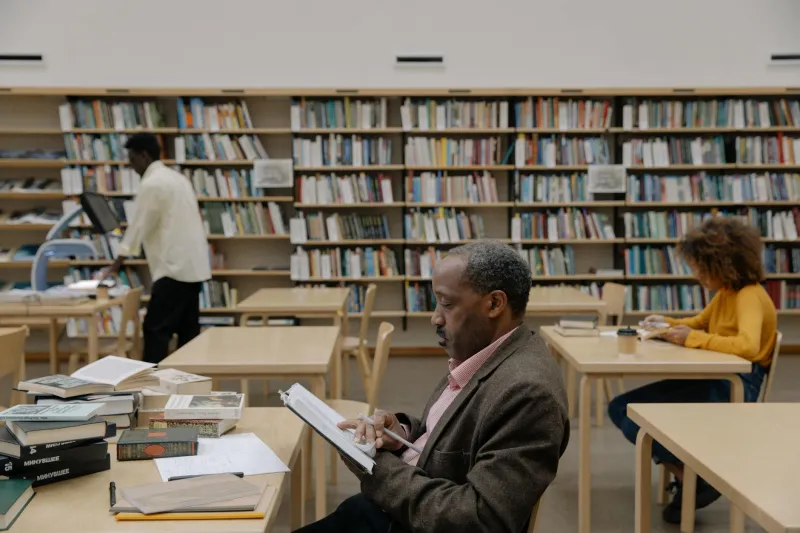
Walk into most American public libraries today and you'll find something unsettling: empty chairs where there used to be waiting lists, silent computer labs that once buzzed with activity, and reference desks staffed by librarians who spend more time answering questions about overdue fees than helping people discover new worlds.
It wasn't always this way. For most of the 20th century, your library card was the most valuable piece of plastic in your wallet.
When Libraries Were America's Living Room
In 1970, the average American family visited their public library 5.3 times per year. By 2019, that number had dropped to 2.1 visits. But the raw statistics don't capture what we actually lost.
Back then, the library wasn't just about books. It was America's original multimedia empire, run by the public, for the public. Your library card got you:
- The latest bestsellers, often with months-long waiting lists
- Vinyl records and later CDs of everything from Mozart to Motown
- 16mm films for community screenings
- Magazines from around the world
- Reference librarians who were basically human Google with graduate degrees
- Meeting rooms where civic groups planned everything from school fundraisers to civil rights campaigns
Most importantly, it was all free. No subscription fees, no premium tiers, no advertisements. Just pure, democratic access to human knowledge and culture.
The Riverside Public Library in California kept detailed logs from 1965 that show the staggering breadth of what people accessed. On a typical Tuesday, patrons checked out cookbook collections for wedding planning, borrowed slide projectors for family reunions, researched genealogy with librarian guidance, and kids discovered everything from dinosaur encyclopedias to poetry collections they'd never encounter otherwise.
The Subscription Economy We Chose Instead
Today, the average American household pays $273 per month for digital subscriptions. Netflix for movies, Spotify for music, Kindle Unlimited for books, The New York Times for news, MasterClass for learning, LinkedIn Premium for professional development.
We're paying nearly $3,300 annually for a fraction of what libraries offered for free.
Consider what your great-grandfather could access in 1955 with a library card versus what you get today with all your streaming services. He could:
- Borrow the latest novel everyone was talking about
- Check out classical music recordings
- Access back issues of Popular Mechanics to fix his car
- Get personalized research help from a professional librarian
- Attend free lectures by visiting authors and experts
- Use meeting spaces for community organizing
Your Netflix subscription gives you algorithmically-suggested content designed to keep you watching, not learning. Your Spotify playlist is curated by data, not by the passionate music lover who ran the library's record collection and knew exactly which jazz album would change your life.
The Human Element We Discarded
The most profound loss isn't the free stuff—it's the human expertise we abandoned.
Librarians weren't just book-stampers. They were information specialists, community connectors, and intellectual guides. The reference librarian at your local branch often held advanced degrees and could help you research anything from your family tree to starting a small business to understanding complex medical information.
Mrs. Eleanor Rodriguez worked the reference desk at Queens Public Library for thirty-seven years. She helped immigrants navigate citizenship paperwork, guided high school students through college applications, and once spent three hours helping a laid-off factory worker research retraining programs. When she retired in 1998, the community threw her a party. Her replacement was a part-time position.
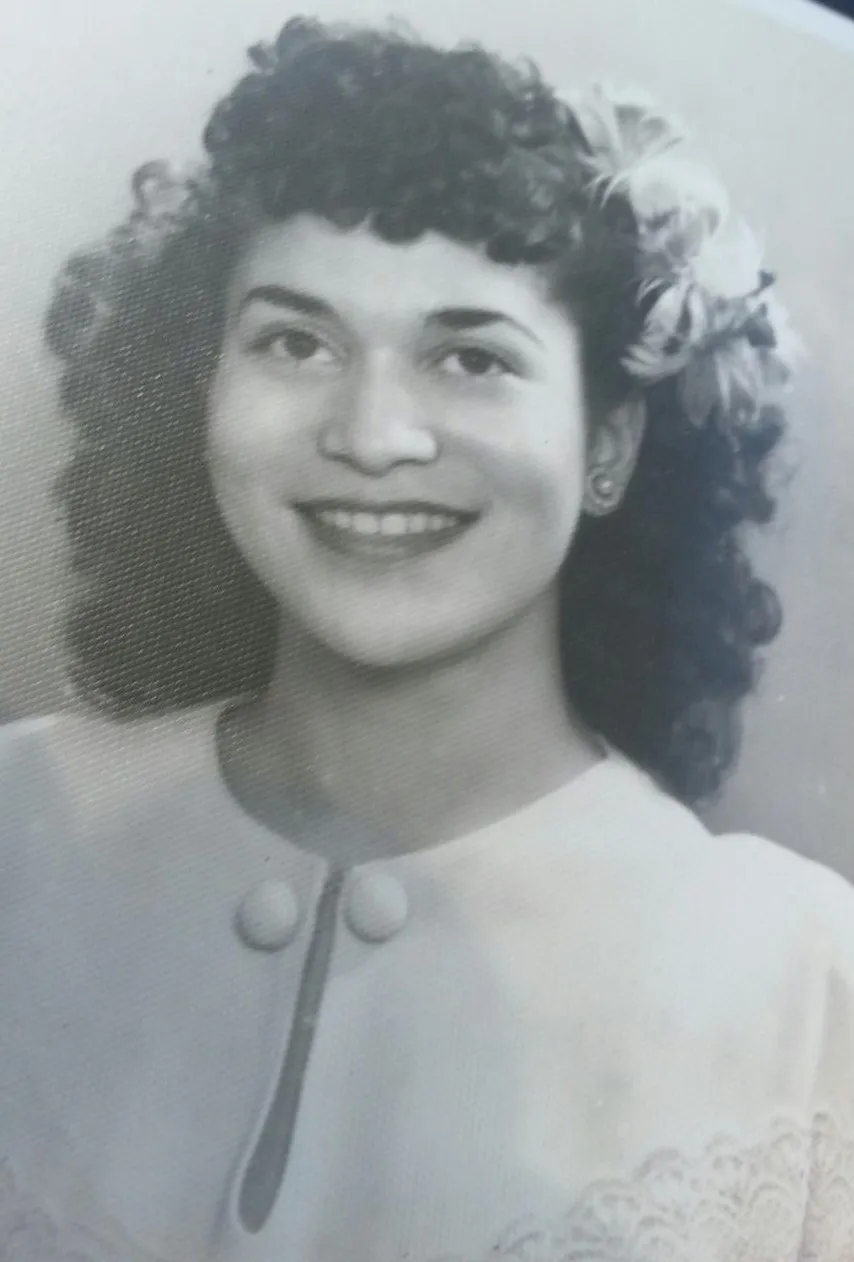 Photo: Mrs. Eleanor Rodriguez, via d5nffgciuchtn.cloudfront.net
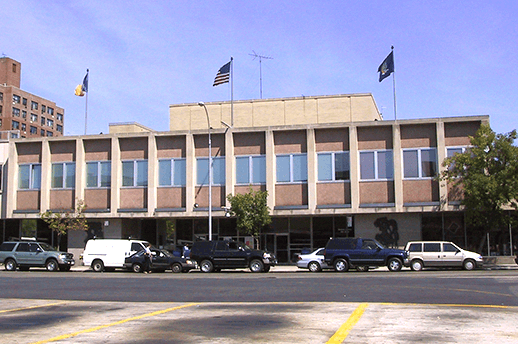 Photo: Queens Public Library, via www.queenslibrary.org
Today, when you need information, you Google it and hope the algorithm serves up something useful. When you need to learn a new skill, you browse online courses and hope you've chosen well. When you need community connection, you scroll social media and hope for authentic engagement.
The library offered something different: curated, expert-guided access to knowledge, plus the irreplaceable experience of serendipitous discovery that happens when you browse physical shelves and encounter ideas you weren't looking for.
What Democracy Looks Like
The American public library system was perhaps the most successful socialist experiment in U.S. history—and most people never thought of it that way. Funded by taxes, free to all, designed to level the playing field between rich and poor.
A millionaire's kid and a minimum-wage worker's kid had access to exactly the same resources. The same books, the same research assistance, the same quiet study spaces, the same community programs.
That's over now. Today's information economy is stratified by subscription tiers and paywalls. Premium content for premium customers. The rest get advertisements and limited access.
The Quiet Tragedy
Libraries haven't disappeared entirely, but they've been marginalized into irrelevance. Funding cuts mean shorter hours, smaller collections, and fewer staff. Many have reinvented themselves as community centers or homeless services—vital work, but a far cry from their role as America's intellectual commons.
Meanwhile, we've convinced ourselves that paying for dozens of digital subscriptions represents progress. We have more choices than ever, we tell ourselves, ignoring the fact that we're paying more money for less comprehensive access to human knowledge than our grandparents enjoyed for free.
The library card was America's passport to everything. We traded it for a wallet full of monthly charges and the illusion that convenience is the same thing as access.
Some things, once lost, can't be rebuilt. But every American community still has a library, probably struggling with budget cuts and declining usage. Your card is still free. The question is whether we remember what we're missing before it's gone entirely.