The Man with the Worn Notebook Who Could Change Your Life: When Baseball Dreams Were Found, Not Bought
The Scout in the Bleachers
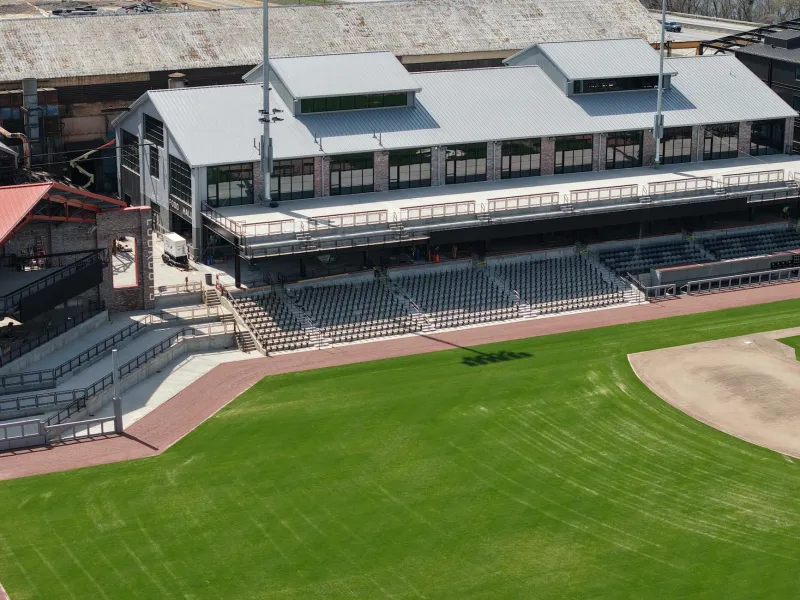
There was a time when the most important person at your high school baseball game might have been the quiet man in the aluminum bleachers with the worn spiral notebook. He'd arrive in a dented sedan, position himself behind home plate with a thermos of coffee, and watch kids play ball the way they'd been playing since they could hold a bat.
These scouts were baseball's bloodhounds, following tips from coaches, former players, and sometimes just their own instincts about where talent might emerge. They'd drive hundreds of miles to watch a kid from rural Iowa take batting practice, or catch a doubleheader in East Cleveland because someone mentioned a pitcher with a live arm.
The beauty of this system wasn't just its simplicity—it was its accessibility. A kid from any background, any economic situation, could wake up one morning and find his life changed by someone who noticed how he turned on a fastball or the way he read a ground ball off the bat.
When Talent Had No Price Tag
In 1975, a scout named Hugh Alexander discovered a skinny kid from Donora, Pennsylvania, playing American Legion ball. The kid's name was Ken Griffey Jr., and Alexander signed him for a $40,000 bonus—money that seemed astronomical to the Griffey family but represented pure potential spotted by human observation.
 Photo: Hugh Alexander, via f4.bcbits.com
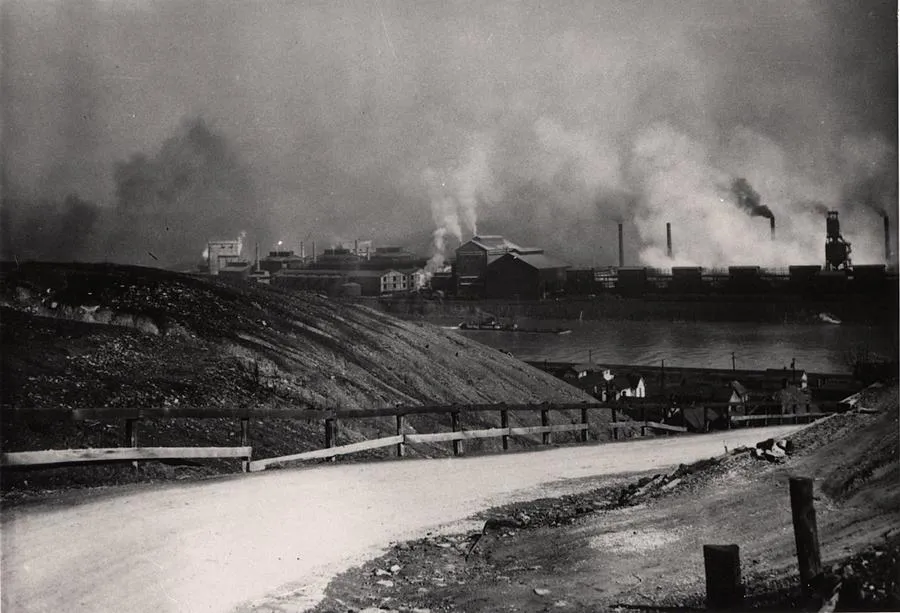 Photo: Donora, Pennsylvania, via images.fineartamerica.com
 Photo: Ken Griffey Jr., via substackcdn.com
This was how baseball worked for decades. Scouts developed relationships with high school coaches across their territories. They knew which American Legion programs produced talent and which summer leagues were worth monitoring. Most importantly, they understood that baseball ability could emerge anywhere—the son of a steelworker was just as likely to have major league potential as the son of a former player.
The financial barrier to being discovered was essentially zero. You needed cleats, a glove, and a place to play. Everything else—the exposure, the evaluation, the opportunity—came to you if you were good enough.
The Showcase Revolution
Today's path to professional baseball runs through a completely different ecosystem. Elite travel teams can cost families $10,000 to $20,000 per year. Showcase tournaments, where players perform for dozens of scouts in controlled environments, charge hundreds of dollars for participation. Private instruction, strength training, and specialized coaching have become prerequisites rather than advantages.
The old scout with his notebook has been supplemented—and in many cases replaced—by data analytics, radar guns, and standardized metrics. Exit velocity, spin rate, and launch angle matter more than the intangible qualities that once caught a scout's eye.
This shift has created a more efficient system for evaluating talent, but it's also created a paywall between potential and opportunity. The kid who might have been discovered playing pickup ball at the local park now needs to be funneled through expensive programs to gain exposure.
The Economics of Dreams
The financial transformation of youth baseball reflects broader changes in American society. As middle-class prosperity became less certain, parents began viewing their children's athletic abilities as potential economic assets worth significant investment. The casual summer pastime became a year-round pursuit requiring serious financial commitment.
Travel teams practice year-round, play in tournaments across multiple states, and employ professional coaches with credentials from major college programs. The informal network of local coaches and volunteer dads who once identified and developed talent has been professionalized.
This evolution has undoubtedly improved the quality of instruction and competition available to young players. But it's also meant that economic circumstances now play a determining role in who gets the opportunity to be discovered.
What We Lost When Discovery Became a Business
The old system wasn't perfect. Plenty of talented players were overlooked because they lived in remote areas or played for weak programs. The informal networks that scouts relied on sometimes reflected cultural and economic biases.
But there was something democratic about a system where pure ability could transcend circumstances. The scout who drove three hours to watch a kid play American Legion ball wasn't concerned with his family's income or his travel team's reputation. He was looking for something that couldn't be taught or bought—the natural ability to play baseball at the highest level.
Today's system is more comprehensive and arguably more fair in its evaluation methods. But it's also more expensive to access and more dependent on resources that aren't equally distributed across American communities.
The Price of Progress
Baseball's talent development has become incredibly sophisticated. Modern players are stronger, faster, and more skilled than their predecessors. The level of instruction available through elite programs would have been unimaginable a generation ago.
Yet something was lost when discovery became a commodity rather than a gift. The scout in the bleachers represented possibility—the idea that talent could emerge anywhere and be recognized by someone who understood the game deeply enough to spot it in unlikely places.
That possibility still exists, but it's increasingly confined to those who can afford to put themselves in front of the right people at the right time. The worn notebook and keen eye haven't disappeared entirely, but they're now just one part of a much more complex and expensive equation.
The American dream of being discovered playing ball in your hometown hasn't died, but it's become significantly more expensive to pursue.