Before Google, There Was Mrs. Henderson: When America's Knowledge Lived Behind a Checkout Desk
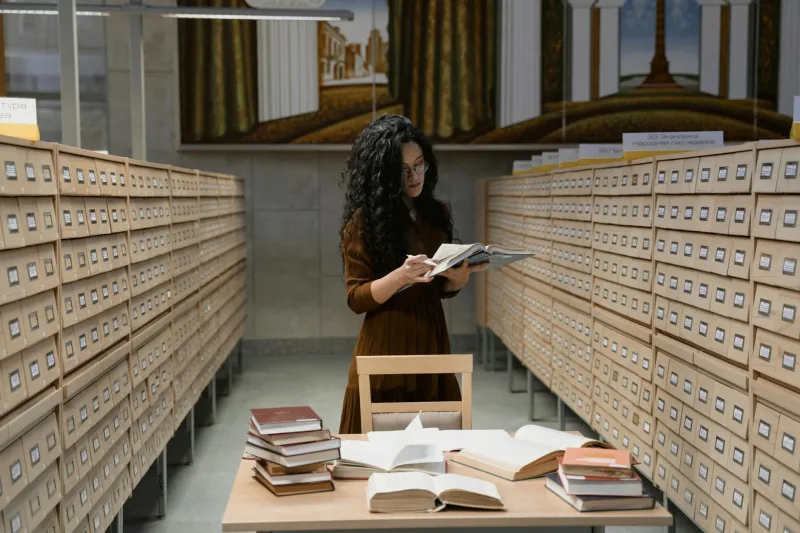
The Cathedral of Democracy
In 1965, walking into the Springfield Public Library meant stepping into what felt like a cathedral of democracy. The hushed reverence wasn't for any deity, but for something equally powerful: the idea that every American citizen deserved access to the sum of human knowledge, regardless of their bank account or background.
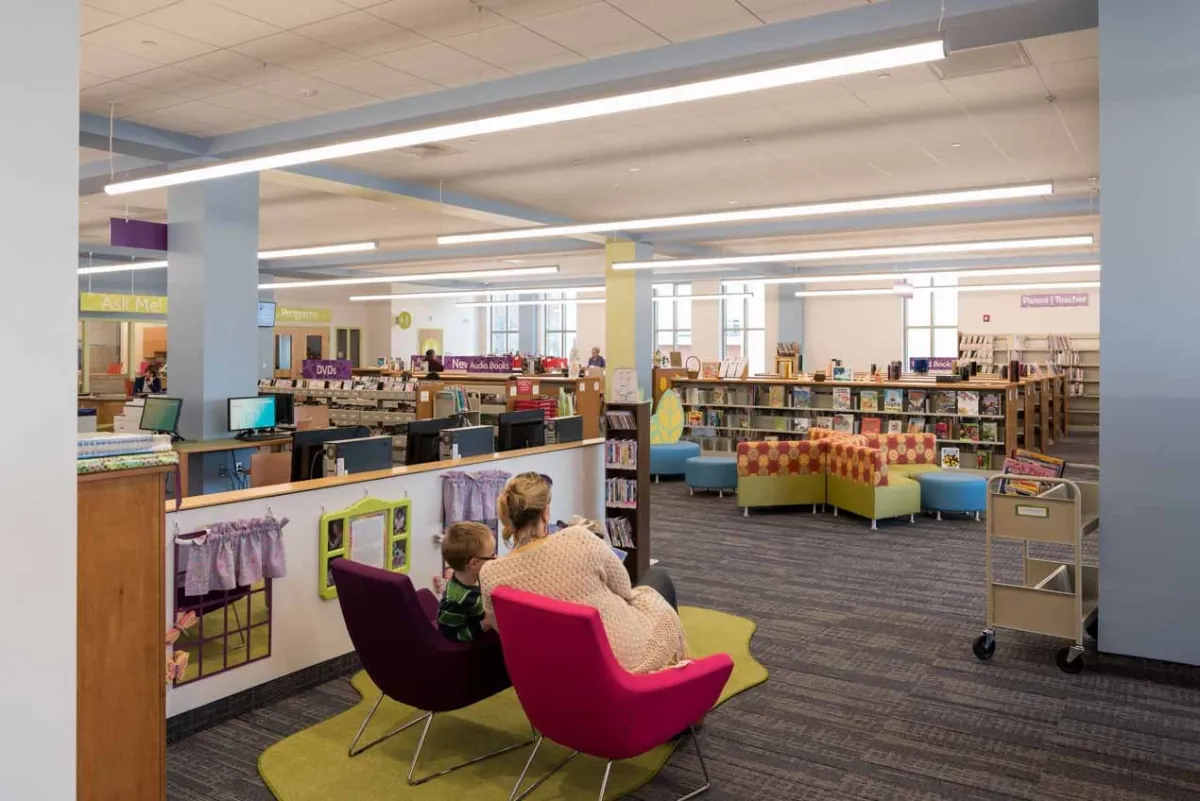 Photo: Springfield Public Library, via cbk.imgix.net
Mrs. Henderson sat behind the reference desk like a friendly gatekeeper to the universe. She knew which farmer was researching crop rotation, which teenager was secretly devouring poetry, and which businessman needed historical precedents for his latest venture. More importantly, she knew how to ask the right questions to help you find what you didn't even know you were looking for.
The library card in your wallet wasn't just plastic—it was a passport to intellectual citizenship.
When Knowledge Had a Human Face
Librarians in mid-century America weren't just book organizers. They were professional knowledge navigators, trained in the art of connecting human curiosity with relevant information. Before the internet democratized access to data, librarians democratized access to wisdom.
Need to understand your legal rights as a tenant? Mrs. Henderson would pull three relevant books and suggest you speak with the lawyer who volunteered Thursday evenings. Curious about your family's immigration story? She'd guide you through census records and ship manifests, teaching you research methods along the way.
This wasn't just customer service—it was mentorship. Librarians didn't simply hand you answers; they taught you how to think about questions.
The Social Network Before Social Networks
Public libraries served as America's original community centers. Students spread homework across oak tables while retirees read newspapers in worn leather chairs. Business meetings happened in quiet corners. Book clubs, lecture series, and children's story hours created webs of connection that crossed economic and social lines.
The library was where the banker's daughter and the mechanic's son sat side by side, working on the same algebra problems with the same free resources. It was radical equality disguised as civic infrastructure.
Weekend afternoons found families making the library a destination. Kids would race to claim their favorite reading nooks while parents browsed new releases or attended community forums. The building hummed with purposeful activity—democracy in action.
The Algorithm That Replaced the Expert
Today, we carry more information in our pockets than existed in entire library systems of the 1960s. Google processes 8.5 billion searches daily, delivering answers in milliseconds. We've gained incredible convenience and lost something harder to quantify.
Search algorithms excel at finding specific facts but struggle with context, nuance, and the kind of exploratory learning that happens when a knowledgeable human asks, "What are you really trying to understand?"
Mrs. Henderson might have steered your research on local history toward unexpected connections with labor movements or architectural trends. Google delivers exactly what you search for—nothing more, nothing less.
The Quiet Decline of Sacred Spaces
Library usage has plummeted even as communities have grown. Many branches operate with skeleton staffs and reduced hours. Reference desks sit empty as patrons check out books through self-service kiosks, bypassing human interaction entirely.
The shift reflects broader changes in how Americans approach learning and community. We've traded guided exploration for targeted searches, communal spaces for private screens, and patient mentorship for instant gratification.
Libraries still exist, but their role has fundamentally changed. They've become computer centers, homeless shelters, and quiet study halls—important functions, but far from their original mission as intellectual community centers.
What We Lost in Translation
The transformation from library-centered to internet-centered research represents more than technological progress. We've moved from a model that encouraged serendipitous discovery to one that reinforces existing interests and biases.
Librarians helped broaden perspectives by suggesting unexpected resources and asking probing questions. Search engines narrow focus by predicting what we want based on what we've already searched.
The social aspect of learning has largely disappeared. Research has become a solitary activity instead of a community endeavor guided by trained professionals who understood both information and human nature.
The Democracy We Didn't Know We Were Losing
Perhaps most significantly, we've lost the democratic ideal that knowledge should be mediated by public servants rather than private algorithms. Librarians worked for communities; search engines work for shareholders.
The questions that shaped American intellectual life—What should citizens know? How do we evaluate sources? What perspectives deserve hearing?—were once answered by professionals accountable to local communities. Now they're answered by algorithms optimized for engagement and profit.
Mrs. Henderson's expertise was publicly funded and publicly accountable. Google's is neither.
The Search That Never Ends
We've gained the ability to find any fact instantly but lost the institutions that helped us understand what facts mean and how they connect. We've traded patient guides for impatient algorithms, communal learning for individual searching, and democratic knowledge curation for corporate data mining.
The library card was indeed America's first internet—a network that connected human curiosity with human wisdom, mediated by human judgment. In replacing that system with something faster and more convenient, we may have optimized for efficiency while sacrificing understanding.
The search bar answered the question of how to find information. But it never solved the deeper question of how to find meaning.