Canvas Tents and Common Ground: How America's Campgrounds Lost Their Democratic Soul
The Great Equalizer Under the Stars
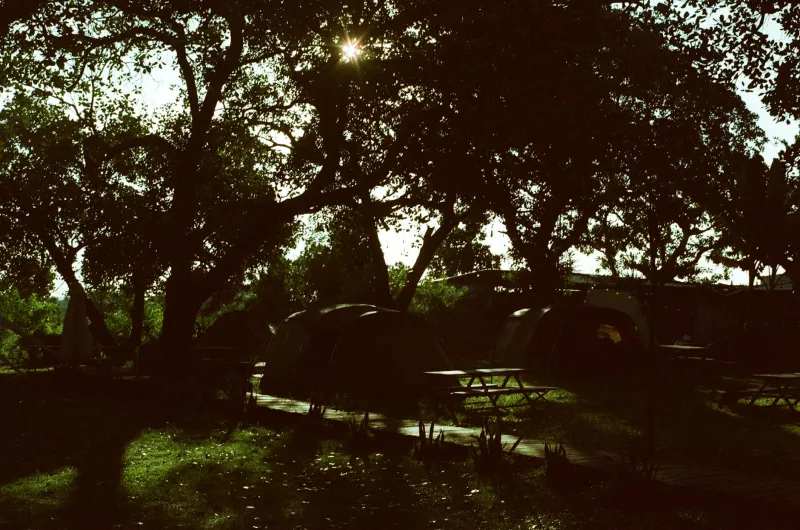
Every summer weekend in 1982, families across America pulled into state park campgrounds driving everything from rusty pickup trucks to pristine station wagons. They'd claim their assigned patches of dirt—each identical, each equipped with the same weathered picnic table and fire ring—and spend the next few days as equals under the same sky.
The Hendersons might arrive in their new Winnebago while the Garcias set up a canvas tent that had seen better decades, but come evening, everyone gathered around the same type of fire, sharing stories and s'mores recipes. The campground was America's great equalizer, a place where your address and bank account mattered less than your willingness to help a neighbor restart their stubborn camp stove.
Today, that democratic spirit has been quietly subdivided and priced out of reach.
When Roughing It Meant the Same Thing to Everyone
The traditional American campground was beautifully simple in its egalitarianism. Whether you drove a Cadillac or a Corolla, you got the same basic package: a level spot for your tent or RV, access to shared bathhouses, and maybe a picnic table that had weathered countless family meals. The luxury was in the setting—lakefront views, mountain vistas, or deep forest shade—not in the amenities.
Families planned camping trips around affordability as much as adventure. A week at a state park cost less than a single night at most hotels, making it the vacation option that worked for teachers and executives alike. Kids from different backgrounds played together at the communal playground, while parents swapped camping tips and borrowed forgotten supplies from each other.
The shared experience created temporary communities. Everyone used the same bathhouse, the same water spigots, the same hiking trails. A corporate lawyer might find themselves getting campfire advice from a factory worker, or a farmer's wife might share her secret for keeping raccoons away with a suburban family on their first outdoor adventure.
The Amenity Arms Race Begins
The transformation started subtly in the 1990s as private campgrounds began offering "resort-style" amenities to distinguish themselves from bare-bones state parks. Swimming pools, mini-golf courses, and organized activities weren't necessarily bad additions, but they marked the beginning of camping's stratification.
As these enhanced campgrounds proved profitable, the definition of acceptable camping comfort began to shift. Families who had been content with basic facilities started expecting more. State parks, operating on tight budgets, couldn't compete with private facilities that charged premium prices for premium experiences.
The RV industry accelerated this trend by manufacturing increasingly luxurious vehicles that required specialized hookups and services. What started as simple travel trailers evolved into rolling mansions with multiple slide-outs, full kitchens, and entertainment systems that rivaled many homes.
When "Glamping" Became a Word
The final blow to camping's democratic traditions came with the rise of "glamping"—glamorous camping that eliminated everything that made camping accessible. Pre-furnished safari tents with real beds, climate control, and private bathrooms transformed the outdoor experience into another luxury product.
Suddenly, spending time in nature required choosing between roughing it in increasingly basic state park facilities or paying resort prices for pre-packaged wilderness experiences. The middle ground—comfortable but unpretentious camping that working families could afford—began disappearing.
Reservation systems that once operated on a first-come, first-served basis moved online, where tech-savvy families could book prime spots months in advance while others found themselves shut out of popular destinations. Premium sites with better views or amenities commanded higher prices, creating a hierarchy within campgrounds that had once treated all visitors equally.
The $200 Campsite Revolution
Today's camping landscape would be unrecognizable to families from previous generations. Popular state parks require reservations booked months ahead, with prime sites commanding fees that rival hotel rooms. Private campgrounds routinely charge $75-150 per night for basic RV sites, while luxury outdoor resorts can cost $300-500 per night.
The rise of platforms like Hipcamp—often called "the Airbnb of camping"—has further commodified outdoor experiences. Private landowners offer everything from basic tent sites to elaborate glamping setups, with prices that reflect the exclusivity rather than the simplicity of sleeping outdoors.
Meanwhile, the RV industry has created a parallel luxury market where $500,000 motorhomes require campgrounds with specialized services, high-end amenities, and prices that exclude the families camping was originally meant to serve.
The Disappearing Middle Ground
What's been lost isn't just affordability—it's the shared experience that made camping special. When everyone had roughly the same level of comfort and convenience, the focus remained on the natural setting and human connections. Conversations flowed easily between campsites because everyone was navigating the same basic challenges and pleasures.
Today's stratified camping world sorts families into economic brackets before they even arrive. Luxury RV resorts cater to affluent retirees, while budget-conscious families are relegated to increasingly crowded and under-maintained public facilities. The middle-class family camping experience—comfortable but not lavish, affordable but not austere—has largely disappeared.
When Nature Had No VIP Section
The original appeal of camping was its authenticity—a chance to step away from status symbols and social hierarchies. Under the stars, a CEO and a cashier faced the same challenges: keeping the fire going, staying dry in a rainstorm, and figuring out how to make coffee without electricity.
This leveling effect created unique social interactions. Children from different backgrounds became instant friends, bonded by shared adventures rather than divided by their parents' professions. Adults found themselves in conversations they'd never have in their segregated suburban lives, united by the universal experience of trying to set up camp before dark.
The Price of Perfection
Modern camping's emphasis on luxury and convenience has undeniably improved certain aspects of the experience. Better bathhouses, more reliable water systems, and improved safety measures have made camping more accessible to people with disabilities and more comfortable for everyone.
But in pursuing perfection, we've lost something essential: the idea that roughing it was part of the point. The minor inconveniences and shared challenges that once brought campers together have been systematically eliminated, along with the community spirit they fostered.
Can the Campfire Circle Survive?
Some state parks and national forests still offer glimpses of camping's democratic past. Budget-friendly sites with basic amenities continue to attract families seeking affordable outdoor experiences. But these remaining bastions of egalitarian camping face constant pressure to upgrade, modernize, and generate more revenue.
The question isn't whether luxury camping options should exist—choice and innovation aren't inherently bad. The question is whether we can preserve spaces where camping remains what it once was: an affordable escape that judged you by your willingness to help a neighbor rather than your ability to pay premium prices.
The campground used to be one of America's few truly classless spaces, where nature provided the entertainment and human decency provided the social structure. In our rush to improve the outdoor experience, we may have improved it right out of reach for the families who needed it most.
Somewhere in America tonight, a family is gathered around a campfire, sharing stories and watching sparks drift toward the stars. The question is whether their children will be able to afford the same simple magic when it's their turn to keep the flame alive.