The Neighborhood Diamond Where Everyone Made the Team: How Little League Lost Its Innocence
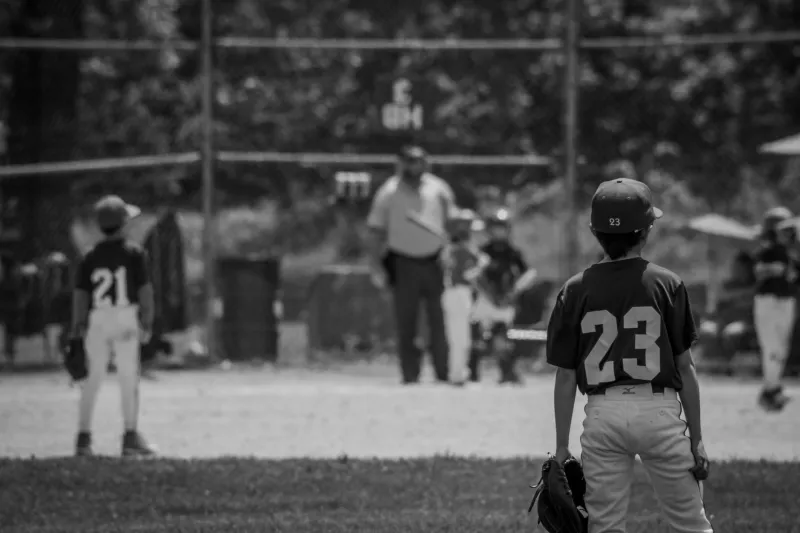
Tuesday Evenings at the Public Park
For most of Little League's history, Tuesday evening meant the same thing in thousands of American communities: kids in oversized uniforms gathering at the local park for a game that mattered to nobody except the players and their families. The coaches were volunteer dads who worked day jobs and learned the rules as they went. The equipment was shared, the fields were public, and the only requirement for participation was showing up.
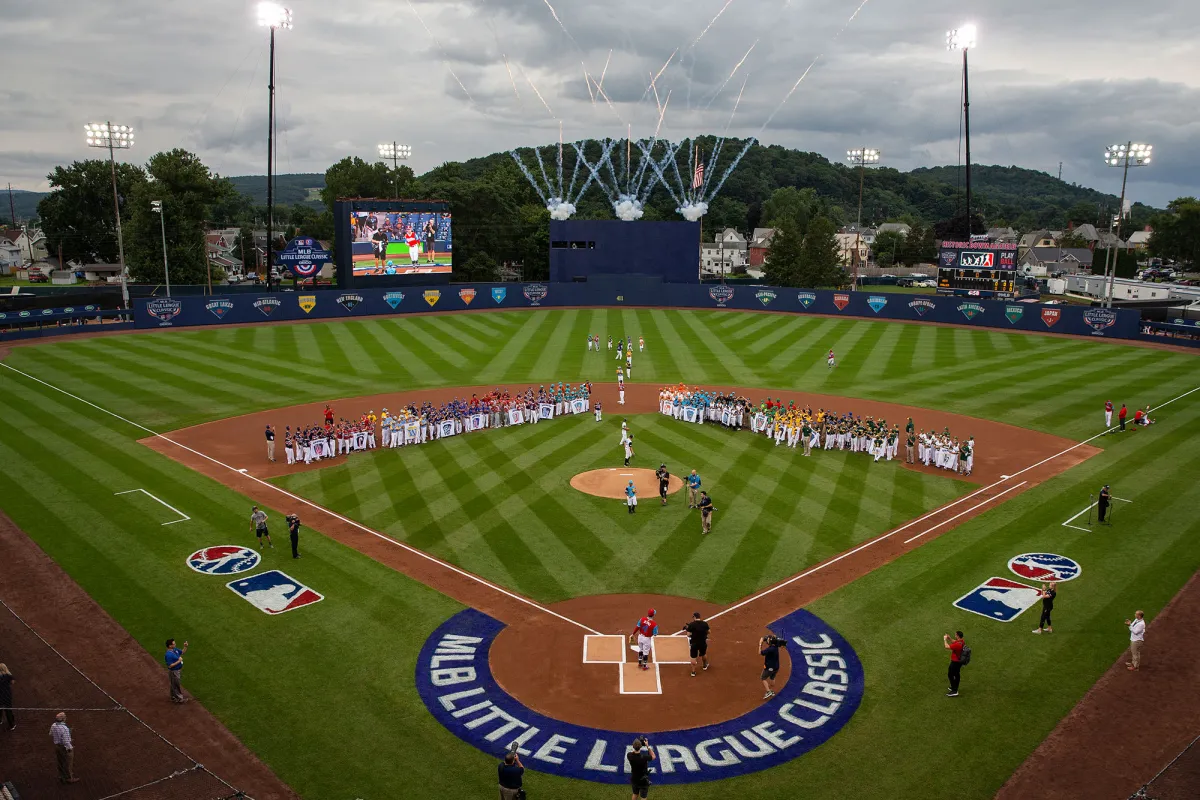 Photo: Little League, via res.cloudinary.com
This wasn't organized youth sports as we know them today—it was neighborhood recreation with just enough structure to keep score. Teams were formed by geographic boundaries rather than skill levels. The kid who struck out three times played again next week, and the star pitcher's younger brother got just as much encouragement from the dugout.
The beauty of this system was its fundamental accessibility. Little League wasn't something you joined after tryouts or paid significant money to participate in. It was something that happened in your neighborhood during the summer, as natural and inevitable as the ice cream truck or backyard barbecues.
When Every Kid Made the Team
The original Little League charter, established in 1939, was built around a simple principle: provide an opportunity for children to play baseball in a structured but fun environment. For decades, this meant that any kid who wanted to play could find a spot on a team.
Drafts were conducted by volunteer coaches who knew the neighborhood kids and tried to balance teams fairly. The goal wasn't to create elite competition—it was to give everyone a chance to experience the joy of hitting a baseball, making a catch, or scoring a run.
This inclusive approach extended to the coaching philosophy as well. Volunteer coaches focused on basic skills and sportsmanship rather than advanced strategy. Practice meant learning to catch fly balls and hit off a tee, not analyzing video footage or working with private instructors.
The financial barrier was minimal. League fees, if they existed at all, were designed to cover basic equipment and field maintenance. Most families could afford the cost of participation without making significant financial sacrifices.
The Professionalization Creep
The transformation began gradually in the 1990s and accelerated through the 2000s. What started as innocent improvements—better coaching education, improved safety protocols, more organized tournaments—evolved into something fundamentally different from the neighborhood game.
Travel teams emerged as alternatives to local leagues, offering higher levels of competition and instruction. All-star tournaments became more prominent, creating hierarchies within what had previously been egalitarian recreation. Private coaching and specialized training programs began supplementing—and sometimes replacing—the volunteer dad with the clipboard.
The physical infrastructure changed as well. Public parks gave way to purpose-built complexes with multiple fields, concession stands, and facilities designed specifically for youth sports. These improvements enhanced the experience but also increased the costs associated with participation.
Parental involvement shifted from casual support to serious investment. Families began viewing their children's athletic participation as a pathway to college scholarships and future opportunities rather than simple summer recreation.
The Economics of Childhood Sports
Today's youth baseball exists in a completely different economic ecosystem than the Little League of the 1980s. Elite travel teams can cost thousands of dollars per year. Private instruction, specialized equipment, and tournament travel have become standard expectations rather than luxury additions.
This financial escalation reflects broader changes in American parenting culture. As college costs soared and middle-class economic security became less certain, parents began viewing their children's activities as investments in future success rather than simple entertainment.
The result has been a dramatic sorting effect. Families with disposable income can provide their children with year-round coaching, high-level competition, and exposure to college recruiters. Families without those resources find themselves increasingly excluded from the upper levels of youth sports.
What We Lost in the Translation
The professionalization of youth baseball has undoubtedly improved the quality of instruction and competition available to young players. Today's Little Leaguers receive better coaching, play on safer fields, and have access to training methods that were unimaginable a generation ago.
But something essential was lost in this evolution: the idea that sports could be purely recreational and still valuable. The neighborhood Little League represented a space where kids could experience competition, teamwork, and achievement without the pressure of optimizing their performance or maximizing their potential.
The volunteer coaches who ran these leagues weren't trying to develop college prospects—they were trying to teach kids to love the game. The emphasis was on participation rather than excellence, on fun rather than advancement.
The Pressure to Perform
Modern youth baseball operates under assumptions that would have seemed foreign to earlier generations. Kids are expected to specialize in baseball rather than playing multiple sports. Year-round training has replaced seasonal participation. Performance metrics and statistical analysis have filtered down to age groups that once focused on learning basic skills.
This intensification reflects adult anxieties about competition and success that have little to do with children's natural relationship to play. The kid who just wanted to hit a baseball and run the bases now finds himself in an environment designed to identify and develop elite talent.
The social dynamics have changed as well. Where Little League once brought together kids from diverse economic backgrounds within neighborhood boundaries, today's youth baseball often segregates children by their families' financial capacity and competitive ambitions.
The Neighborhood Game That Got Away
The transformation of Little League reflects broader changes in American childhood and community life. The informal, inclusive, neighborhood-based activities that once defined summer have been replaced by structured, selective, and often expensive programs that require significant parental involvement and financial commitment.
This evolution isn't necessarily wrong—many families value the improved instruction and higher-level competition that modern youth sports provide. But it represents a fundamentally different philosophy about childhood, competition, and community.
The Little League that existed for most of its history was based on the radical idea that play was valuable for its own sake, that every kid deserved a chance to participate, and that volunteer adults could create meaningful experiences for children without professional credentials or significant financial investment.
That version of Little League still exists in many communities, but it's increasingly overshadowed by more intensive alternatives that promise better outcomes for kids who are serious about baseball. Whether this represents progress or loss depends on what you think childhood sports should accomplish—and how much you're willing to pay for your kids to play ball on a Tuesday evening.