The Ballpark Used to Be Everybody's Game. Then the Price Tags Changed Everything.
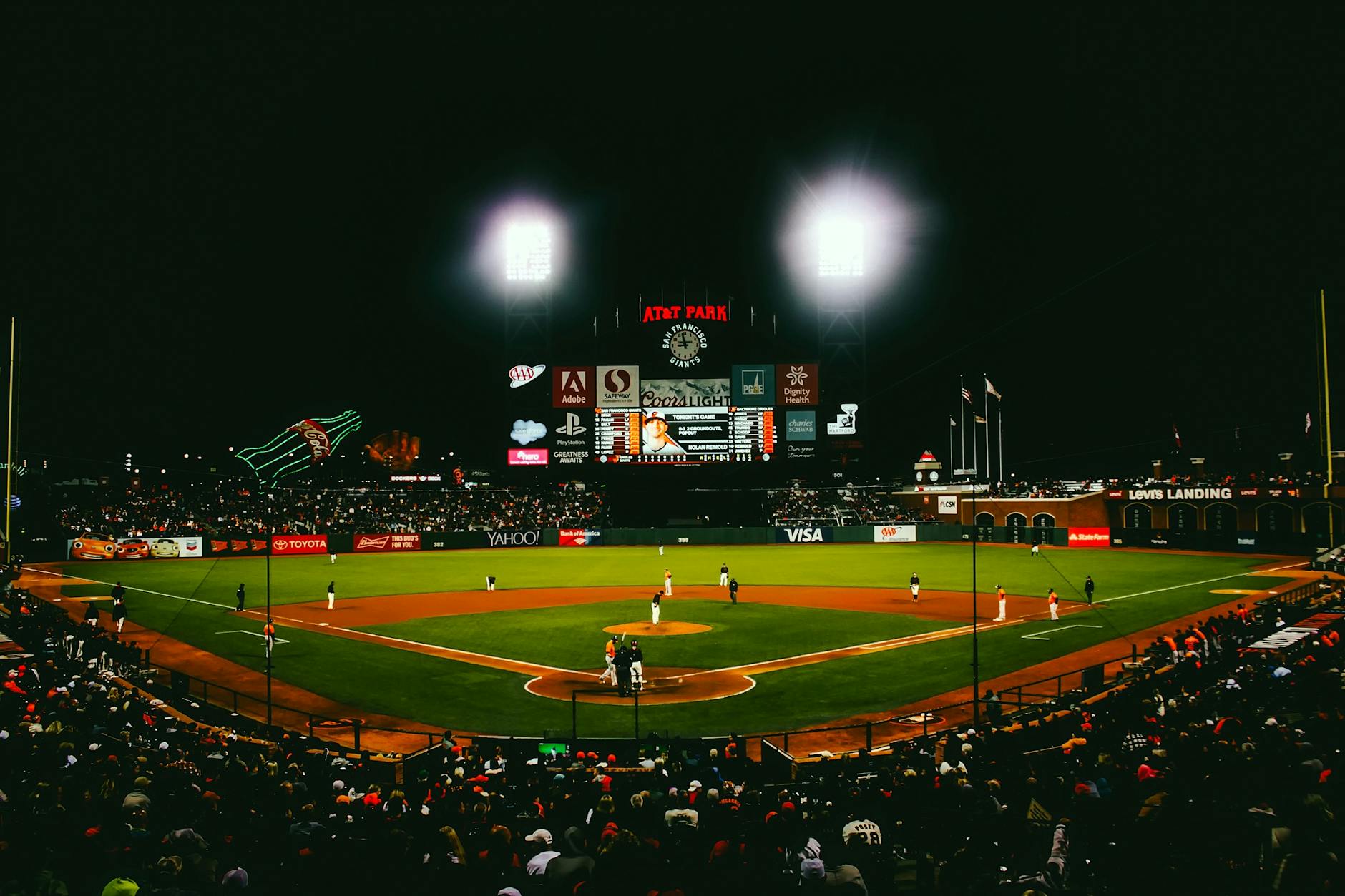
When Taking the Family to a Ballgame Was Just Something You Did on a Tuesday
There's a version of America that existed not all that long ago where going to see the Cubs, the Tigers, or the Orioles on a weeknight wasn't a financial decision. You grabbed a few bucks, piled into the car, found a seat, and watched baseball. Nobody called it a special occasion. It was just what you did in summer.
That version of the ballpark is gone. And the gap between then and now is bigger than most people realize.
What a Game Actually Cost in 1985
In 1985, the average MLB ticket price was around $6.00. That's not adjusted for anything — that's the number on the stub. Adjusted for inflation to 2024 dollars, that works out to roughly $17. For context, the average MLB ticket price today sits at approximately $35 to $40, with premium games and popular franchises pushing well past that.
At Wrigley Field in 1985, you could buy a bleacher seat for $4.00. A box seat ran about $8.50. On a warm July afternoon, a dad could take two kids to the game, buy everyone a hot dog and a Coke, grab a program, and park the car — and walk out having spent somewhere around $30 to $35 total. In today's money, that's roughly $90. Still not cheap, but consider what the equivalent experience costs now.
A family of four attending a Cubs game at Wrigley today will typically spend $60 to $120 per ticket for decent seats, $7 to $9 per hot dog, $10 to $14 for a beer, $40 to $50 for parking in the surrounding lots, and another $40 to $60 on merchandise if a kid wants a cap or a jersey. The realistic all-in number? $400 to $550, sometimes more.
That's not a Tuesday night anymore. That's a planned event.
The Concession Stand Used to Be Part of the Deal
Food at the ballpark was never gourmet. It was never supposed to be. A hot dog wrapped in foil, a bag of peanuts, a watery Coke in a wax cup — that was the whole point. It was affordable, unpretentious, and completely tied to the experience.
In 1985, a hot dog at most stadiums cost around $1.25 to $1.75. A beer was $1.50 to $2.00. A program was $1.00. These weren't loss leaders — the teams made money — but the pricing was designed around the assumption that the person buying was an ordinary working person, not a premium consumer.
Today's ballpark concession model operates on entirely different logic. At Dodger Stadium, a premium hot dog runs $8.00. A craft beer is $14 to $16. Nachos with questionable cheese cost $12. The stadiums have been redesigned around the idea that fans are diners first and spectators second, with club lounges, restaurant partnerships, and curated food halls replacing the old-school concourse stand.
None of that is inherently wrong. But it does mean the casual fan — the one who used to show up with $20 in their pocket and have a perfectly good time — has quietly been designed out of the experience.
When Did the Ballpark Stop Being Working Class?
Baseball's identity was built on its accessibility. It wasn't like football, with its limited schedule and scarcity-driven demand. A 162-game season meant tickets were plentiful, prices were modest, and showing up was low-stakes. You didn't need to plan months ahead. You didn't need to budget.
The shift started in the 1990s and accelerated through the 2000s. New stadiums replaced old ones — Camden Yards in 1992, Coors Field in 1995, PNC Park in 2001 — and while they were genuinely beautiful, they came loaded with premium seating tiers, club sections, and suite revenue models that changed how every ticket was priced. The revenue streams multiplied. The average ticket followed.
By 2019, the Fan Cost Index — a measure of what a family of four spends on a typical MLB outing including tickets, food, parking, and two hats — had crossed $230 for the league average. At the Boston Red Sox, it was over $370. Those numbers have only moved in one direction since.
The Number That Puts It in Perspective
Here's the one that lands hardest. In 1985, the average American worker earned roughly $18,000 a year, or about $8.65 an hour. A $30 family outing at the ballpark represented less than four hours of work.
Today, the median American wage is around $22 per hour. A $450 family outing at the ballpark represents more than 20 hours of work.
The game itself hasn't changed. The grass is still green. The crack of the bat sounds the same. But somewhere between 1985 and now, going to a baseball game quietly transformed from a routine working-class pleasure into something that requires a cost-benefit analysis.
Most fans noticed. They just didn't have a number to put on it until now.