Mom's Recipe Box Just Became an Antique: How America's Kitchen Wisdom Went Digital and Lost Its Soul
Mom's Recipe Box Just Became an Antique: How America's Kitchen Wisdom Went Digital and Lost Its Soul
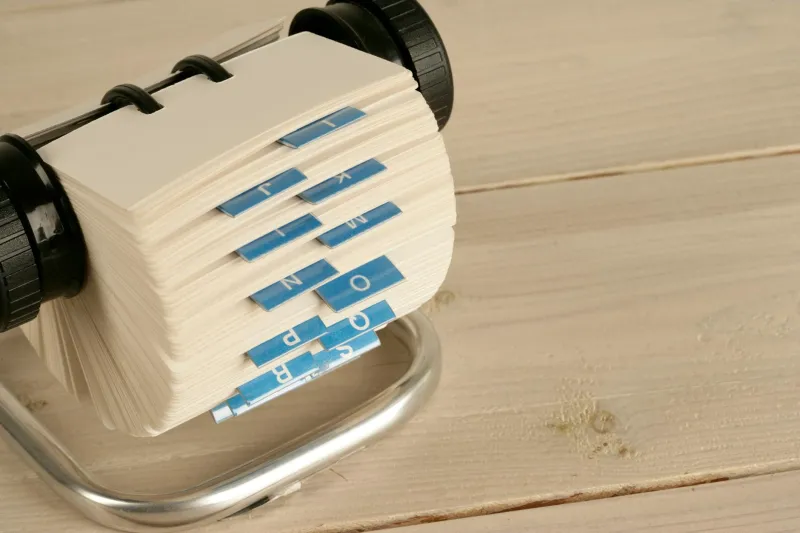
In kitchens across America, there used to be a sacred artifact: the recipe box. Usually wooden, sometimes metal, always worn from years of handling, it sat like a treasure chest filled with index cards covered in careful cursive, hurried scrawls, and the occasional coffee stain. Each card told a story that went far beyond measurements and cooking times.
Today, that box sits forgotten in a basement somewhere while we ask Alexa how to make chocolate chip cookies.
When Recipes Were Inheritance
For generations stretching back to the 1800s, American families passed down their culinary knowledge through handwritten cards and notebooks. These weren't just cooking instructions—they were cultural DNA, carrying the flavors of immigration, regional traditions, and family innovations from kitchen to kitchen.
Grandma's spaghetti sauce recipe might include a note about "using the good tomatoes from Sal's market on Federal Street." Mom's apple pie card could have a margin note: "Dad likes extra cinnamon." These personal touches created a cooking experience that was deeply rooted in place, memory, and relationship.
The recipe cards themselves became historical documents. A 1940s chocolate cake recipe might call for "oleo" instead of butter, reflecting wartime rationing. A 1960s casserole card could showcase the era's love affair with convenience foods. Each card was a snapshot of its time, preserving not just how to cook, but how people lived.
The Ritual of Recipe Sharing
Before Pinterest and food blogs, sharing recipes was an intimate social act. When someone made a dish you loved at a church potluck or neighborhood barbecue, you didn't screenshot anything—you asked for the recipe. This usually meant a phone call, a handwritten copy, or an invitation to come watch the cooking process firsthand.
Women (and it was mostly women) built networks around recipe sharing that strengthened community bonds. The act of writing out a recipe for someone was a gesture of trust and affection. You were literally sharing a piece of your family's culinary heritage.
These exchanges often included crucial details that never made it into printed cookbooks: "Cook until it smells like Grandma's kitchen," or "The dough is ready when it feels like a baby's cheek." This intuitive knowledge, passed from hand to hand, created cooks who understood food rather than just following instructions.
When Cooking Required Detective Work
Handwritten recipes were famously imprecise by today's standards. "A pinch of this," "a dash of that," "bake until golden"—these vague instructions forced cooks to develop real skills and instincts. Making your grandmother's famous cookies meant learning to read visual cues, trust your nose, and adjust on the fly.
This imprecision wasn't a bug—it was a feature. It meant that each family's version of a recipe evolved slightly over time, creating unique variations that reflected individual tastes and available ingredients. Your family's "traditional" stuffing was probably different from your neighbor's, even if they started with the same basic recipe decades earlier.
The cards themselves became part of the cooking process. Splattered with flour, stained with vanilla, edges worn soft from handling—they showed their battle scars proudly. A pristine recipe card was suspicious; a well-worn one was trusted.
The Digital Revolution Hits the Kitchen
The shift began slowly in the 1990s with cooking websites and CD-ROM recipe collections. But the real transformation came with smartphones and apps. Suddenly, you could access millions of recipes instantly, complete with photos, reviews, and precise nutritional information.
Today's cooking apps offer undeniable conveniences. You can search by dietary restrictions, scale recipes automatically, and watch video tutorials for complex techniques. Allrecipes, Food Network, and Pinterest have democratized cooking knowledge in ways previous generations couldn't imagine.
But something essential was lost in translation. Digital recipes are perfect, precise, and impersonal. They come from test kitchens rather than family kitchens, optimized for broad appeal rather than personal connection.
What We Gained and What We Lost
Modern recipe apps have made cooking more accessible and diverse than ever before. Home cooks can easily explore cuisines from around the world, learn professional techniques, and adapt recipes for specific dietary needs. The democratization of cooking knowledge has been genuinely revolutionary.
Yet this convenience came at a cost. We've traded the intimate, imperfect wisdom of family cooking for the sterile efficiency of algorithmic suggestions. Today's cooks might know how to make authentic Thai curry, but they've never tasted their great-grandmother's depression-era apple cake.
The loss goes beyond individual families. When recipes lived on handwritten cards, they carried geographical and cultural specificity. Regional variations in ingredients and techniques created distinct American food traditions. Now, a chocolate chip cookie recipe in Maine is identical to one in California, erasing the beautiful diversity that once existed.
The Memory Keepers
Some families are fighting to preserve their culinary heritage. Food bloggers document family recipes with the stories behind them. Apps like "Copy Me That" attempt to recreate the personal touch of handwritten cards. But these efforts feel more like historical preservation than living tradition.
The spontaneous, organic way that recipes once evolved and spread through communities has been replaced by viral food trends that appear and disappear with algorithmic precision. We've gained efficiency but lost the slow, patient process of culinary evolution that once defined American home cooking.
A Recipe for Reflection
As we swipe through endless digital recipes, it's worth remembering what those handwritten cards represented: a time when cooking was deeply personal, when family knowledge was precious, and when the kitchen was a place where culture lived and breathed.
The next time you find yourself asking Siri for a recipe, consider this: somewhere in your family's past, there's probably a recipe card with your great-grandmother's handwriting on it. And unlike any app, that card doesn't just tell you how to cook—it tells you who you are.