The Shoebox Portfolio That Beat Wall Street: When Baseball Cards Were Worth Collecting, Not Investing

The Quarter That Changed Everything
In 1975, a pack of Topps baseball cards cost 15 cents and came with five cards plus a rectangle of pink gum that tasted like sweetened cardboard. Kids bought them with lunch money, lawn-mowing earnings, or coins discovered between couch cushions. The cards went into shoeboxes, bicycle spokes, or trading sessions on school bus rides where a Mickey Mantle might swap for three lesser players and a piece of bubble gum.
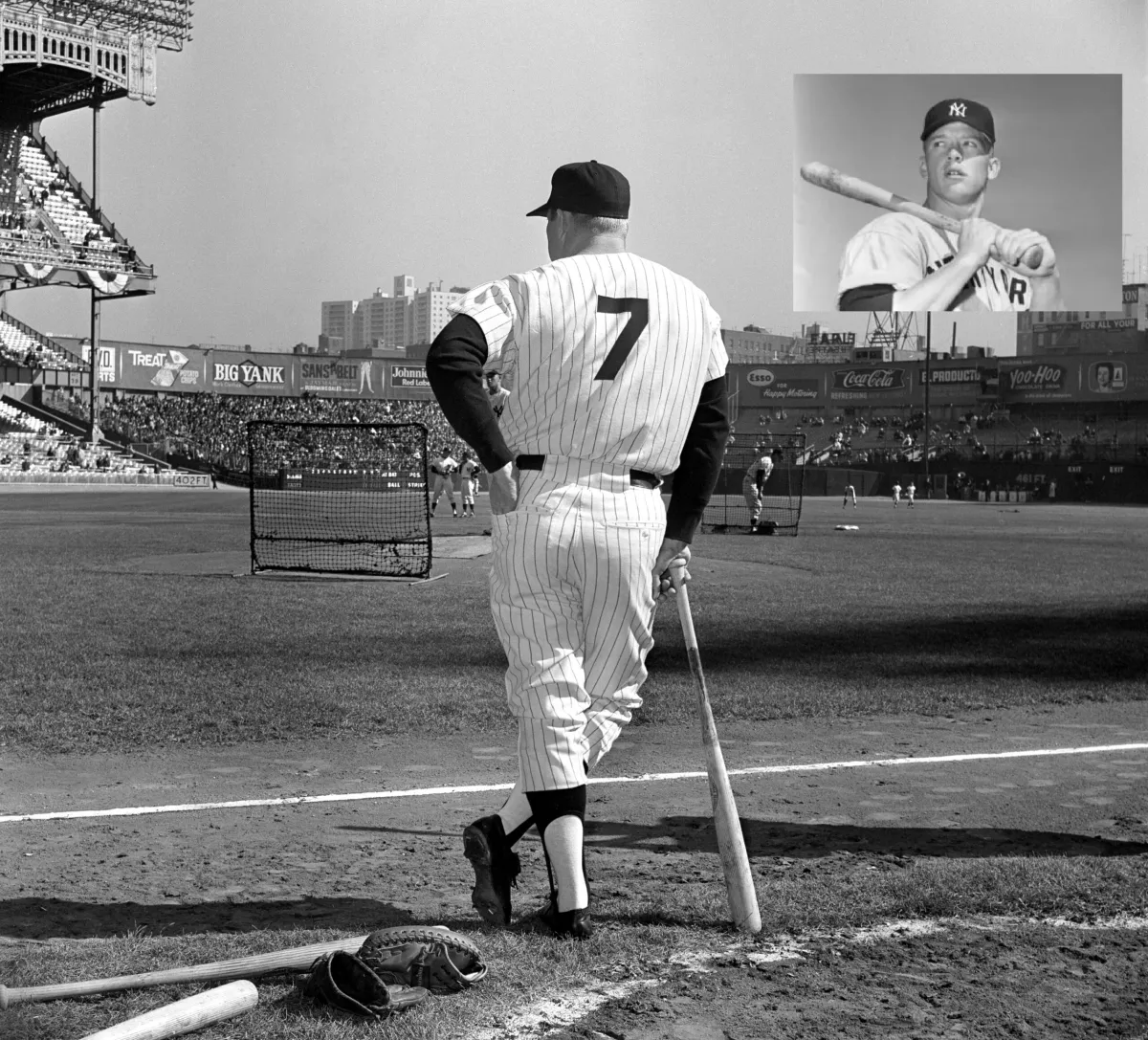 Photo: Mickey Mantle, via pinstripesnation.com
Nobody called it investing. Nobody talked about "grading" or "population reports" or "market manipulation." The cards were toys, collectibles, and conversation starters—but they weren't commodities. A kid who saved his cards in good condition might have something special someday, but that someday felt as distant and uncertain as winning the lottery.
Fast-forward to today, and that same hobby has transformed into a speculative market where single cards sell for millions of dollars, investment funds buy vintage collections like stock portfolios, and children who once defined the baseball card market can no longer afford to participate in it.
When Collecting Was About Everything Except Money
The golden age of baseball card collecting—roughly 1950 through 1990—operated on principles that would seem foreign to today's market. Cards were meant to be handled, traded, and enjoyed. The best collections weren't necessarily the most valuable; they were the most complete, the most carefully organized, or the most personally meaningful to their young owners.
Kids developed intricate trading systems based on team loyalty, player performance, and pure aesthetic preference. A rookie card might be valuable, but so might a card featuring your favorite team's starting lineup or a player photographed at your home stadium. The hobby rewarded knowledge, patience, and social skills as much as financial resources.
Parents tolerated the obsession because it seemed harmless and educational. Baseball cards taught geography (every major league city), statistics (batting averages and ERAs), and basic economics (supply, demand, and negotiation). The cards also provided a shared language between generations—fathers who had collected cards in their own youth could connect with sons through discussions of players, teams, and the eternal hope that this year's rookie might become next decade's superstar.
The Speculation That Killed the Hobby
The transformation began in the late 1980s when adults started noticing that some of their childhood cards had become genuinely valuable. A 1952 Mickey Mantle rookie card that cost five cents in a pack was suddenly worth hundreds of dollars to collectors willing to pay premium prices for childhood nostalgia.
What started as an interesting discovery quickly became a feeding frenzy. Investment guides began treating cards like stocks, tracking prices and predicting future values. Card companies responded by producing "premium" sets with higher-quality printing, special materials, and artificial scarcity designed to create immediate collectible value.
The speculation fundamentally changed who bought cards and why. Adult collectors with disposable income began competing with children for the same products, driving prices beyond what most kids could afford. Worse, the focus shifted from enjoying cards to preserving their potential value, leading to the rise of professional grading services that sealed cards in plastic cases, making them impossible to actually handle or enjoy.
The Grading Industrial Complex
Nothing symbolizes the transformation of baseball cards better than the professional grading industry that emerged in the 1990s. Companies like PSA and BGS began evaluating cards on microscopic details—centering, corner sharpness, surface quality—and sealing them in plastic cases with numerical grades that could mean the difference between a $100 card and a $10,000 card.
This system created artificial scarcity through subjective quality standards. Cards that previous generations would have considered "mint condition" suddenly received grades of 8 or 9 out of 10, while only a tiny percentage earned the perfect 10 rating that commanded premium prices. The grading process itself cost money, time, and risk, adding layers of complexity that excluded casual collectors.
More importantly, grading fundamentally changed the relationship between collectors and their cards. Instead of treasuring cards for their imagery, memories, or personal significance, collectors began obsessing over minute quality differences that were often invisible to the naked eye. The joy of discovery was replaced by the anxiety of preservation.
When Million-Dollar Cards Priced Out Kids
The speculation reached its logical extreme in recent years with cards selling for astronomical sums that make headlines in financial publications. A 2009 Mike Trout rookie card sold for $3.93 million in 2022. A 1952 Mickey Mantle reached $12.6 million. These aren't just expensive collectibles—they're investment vehicles traded by people who may never have watched a baseball game.
 Photo: Mike Trout, via upload.wikimedia.org
Meanwhile, the children who once defined the baseball card market have been systematically priced out. A pack of current Topps cards costs $3-5, making a casual purchase a significant expense for most kids. Premium products can cost $20-50 per pack, with no guarantee of finding anything particularly valuable. The hobby that once rewarded patience and passion now demands substantial financial investment just to participate.
Card shops, once community gathering places where kids could trade, learn, and socialize, have largely transformed into investment boutiques catering to adult collectors. The conversations have shifted from player statistics and team loyalty to price guides and market trends.
The Community That Got Liquidated
Perhaps most tragically, the financialization of baseball cards destroyed the social aspects that made collecting meaningful. The trading sessions, playground negotiations, and intergenerational bonding that defined the hobby for decades have largely disappeared.
Children who might have developed lifelong interests in baseball through card collecting are now excluded by economic barriers. The democratic nature of the hobby—where any kid with a dollar could participate—has been replaced by a luxury market where serious collecting requires adult-level financial resources.
The knowledge that once defined great collectors has also been commoditized. Instead of learning about players, teams, and baseball history, today's market rewards understanding of population reports, auction trends, and investment strategies. The cards have become abstractions rather than connections to the game itself.
The Cardboard Wall Street
Today's baseball card market operates more like a financial exchange than a hobby. Investment funds buy vintage collections as alternative assets. Auction houses treat rare cards like fine art. Online platforms facilitate fractional ownership of expensive cards, allowing multiple investors to own percentages of a single piece of cardboard.
The infrastructure that supports this market—grading companies, auction houses, investment platforms, and authentication services—has created a complex ecosystem that bears little resemblance to the simple joy of opening a pack and hoping for your favorite player.
Children who once drove the baseball card market have become an afterthought in an industry focused on adults with significant disposable income. The hobby that taught generations of Americans about baseball, statistics, and collecting has become a speculative market that teaches lessons about capitalism, artificial scarcity, and the commodification of nostalgia.
The shoebox collections that once represented childhood treasures are now evaluated like stock portfolios, and the simple pleasure of finding a favorite player in a pack of cards has been replaced by the complex anxiety of modern investment strategy. We gained a sophisticated collectibles market, but we lost something more valuable: a hobby that belonged to everyone and cost almost nothing to enjoy.