The Coach Nobody Talks About: How America's Volunteer Mentors Quietly Disappeared
The Man Who Taught More Than Knots
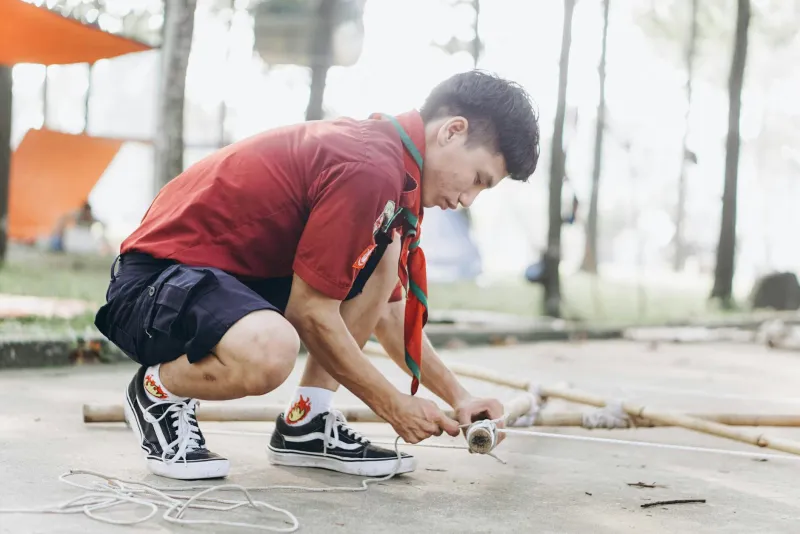
Every Tuesday evening, Mr. Patterson would arrive at St. Mark's church basement carrying a worn canvas bag filled with rope, compasses, and decades of stories. As Troop 247's scoutmaster, he wasn't just teaching twelve-year-old boys how to tie bowlines and start campfires—he was quietly modeling what it meant to be a dependable man.
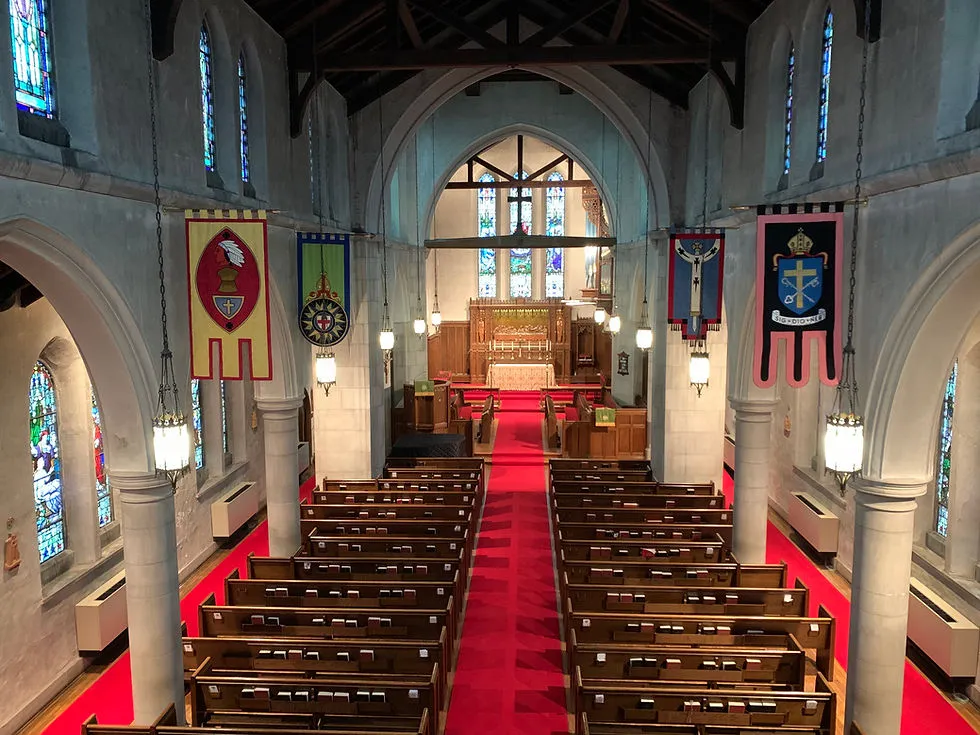 Photo: St. Mark's church, via static.wixstatic.com
He'd pull aside the kid whose father worked double shifts, teaching him how to change a tire and fix a leaky faucet. He'd challenge the cocky teenager to lead a difficult hike, then debrief the failure with gentle wisdom. He'd notice when someone seemed troubled and create space for conversations that parents sometimes couldn't have.
Mr. Patterson wasn't a professional counselor or certified youth worker. He was a plumber who believed that investing in young people was part of being a good citizen. Across America, thousands of men and women like him served as informal mentors, creating a vast network of adult guidance that extended far beyond family boundaries.
That network has largely vanished.
The Village That Actually Showed Up
Mid-century America operated on an assumption that's almost foreign today: unrelated adults had both the right and responsibility to help raise the community's children. This wasn't theoretical—it was institutional.
Church youth groups, scouting organizations, 4-H clubs, and civic groups placed working adults in regular, meaningful contact with young people. These weren't professional relationships governed by liability waivers and background checks, but organic mentorships that developed naturally over shared activities and common values.
The mechanic who sponsored the church softball team became a father figure to boys whose own fathers were absent or overwhelmed. The secretary who led Girl Scout troops taught leadership skills to girls who might never have learned them elsewhere. The retired teacher who ran the community center's after-school program provided academic support and life guidance to kids from struggling families.
These relationships weren't formal or structured—they were simply how communities functioned.
When Character Had Coaches
The genius of organizations like Boy Scouts wasn't the badges or camping trips—it was the systematic pairing of adult volunteers with young people in contexts that naturally developed character. Scout leaders, youth pastors, and club sponsors served as character coaches, helping kids navigate challenges that parents couldn't always address effectively.
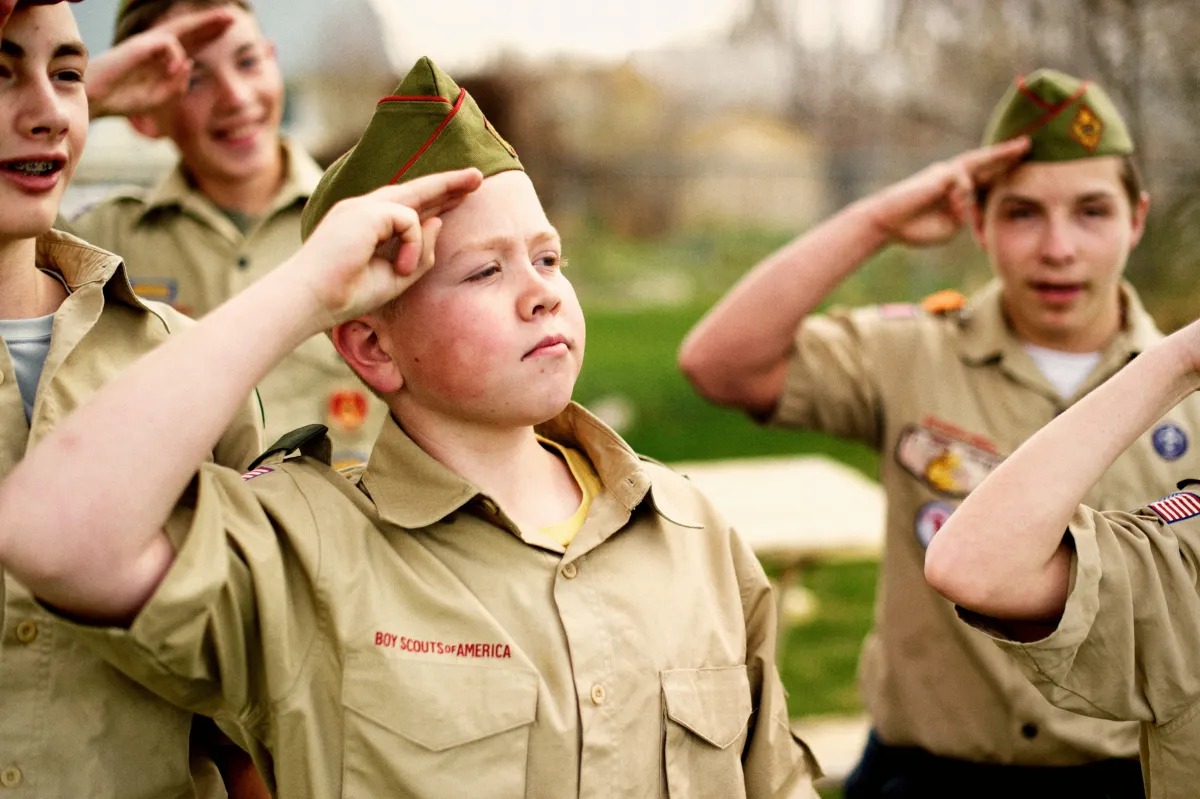 Photo: Boy Scouts, via wallpaper-house.com
These mentors operated with an authority that today seems almost unimaginable. They could discipline kids who weren't their own, offer guidance on personal matters, and maintain relationships that lasted for decades. Parents welcomed this involvement, understanding that raising children was a community responsibility.
The scoutmaster who made you redo a sloppy knot wasn't being mean—he was teaching standards. The youth group leader who called your parents when you missed meetings wasn't overstepping—she was demonstrating accountability. The 4-H sponsor who pushed you to complete a difficult project wasn't demanding—he was building resilience.
The Liability Revolution
Today's youth organizations operate under assumptions that would have seemed paranoid to previous generations. Background checks, mandatory reporting requirements, one-on-one interaction prohibitions, and constant supervision have transformed adult-youth relationships from natural mentorships into carefully managed interactions.
While these protections serve important purposes, they've also created barriers that discourage many potential mentors from volunteering. The plumber who might have been an excellent scout leader now faces months of paperwork, training requirements, and ongoing compliance obligations that feel overwhelming.
The informal mentorship that happened naturally—the coach who gave you a ride home and talked about life decisions, the youth leader who took you fishing and discussed your future—has become legally risky and organizationally discouraged.
The Professional Substitute
As volunteer mentorship declined, professional youth work expanded. Counselors, therapists, life coaches, and certified youth workers now provide services that were once delivered informally by community volunteers.
This professionalization has brought expertise and training to youth development, but it's also created economic barriers. Professional mentorship costs money and requires appointments. It's clinical rather than relational, temporary rather than ongoing.
The teenager who once would have talked through problems with his scout leader over a campfire now needs a therapy appointment. The girl who once learned confidence through youth group leadership now pays for a life coach. We've gained professional competence and lost community connection.
The Digital Native Problem
Young Americans today are more connected than any generation in history, yet they report record levels of loneliness and anxiety. Part of this paradox may stem from the loss of intergenerational relationships that once provided perspective, wisdom, and emotional support.
Social media connects young people with peers but rarely with older adults who might offer different perspectives. The scout leader who'd seen dozens of teenagers struggle through similar challenges could provide context that peer support groups cannot.
Digital natives have unprecedented access to information but limited access to wisdom—the kind of practical life guidance that comes from relationships with adults who've navigated similar challenges and emerged with lessons to share.
When Mentorship Went Corporate
Formal mentorship programs now exist in schools, corporations, and nonprofit organizations, but they operate very differently from the organic relationships of previous generations. Modern mentorship is scheduled, supervised, and time-limited—more like tutoring than the lifelong relationships that once developed naturally in community organizations.
Corporate mentorship focuses on career development and skill building, missing the broader character formation that happened in scouting and youth groups. School-based mentorship operates within institutional constraints that limit the personal relationships that made traditional mentorship effective.
The Volunteer Exodus
Multiple factors have contributed to the decline in adult volunteers willing to work with young people. Increased liability concerns, time pressures from dual-career families, geographic mobility that weakens community ties, and cultural shifts that prioritize individual achievement over community service have all played roles.
The result is a generation of young Americans with fewer adult relationships outside their immediate families. This represents a significant loss of social capital—the network of relationships and shared values that once helped communities raise children collectively.
The Mentorship We're Missing
The decline of volunteer mentorship has particularly affected young people from struggling families who most need additional adult support. Middle-class and wealthy families can purchase professional services to supplement parental guidance, but working-class families increasingly rely solely on overwhelmed parents and under-resourced schools.
The scout leader who taught responsibility, the youth pastor who provided spiritual guidance, and the club sponsor who modeled leadership once served as democratizing forces in American society—providing all children with access to adult mentorship regardless of family resources.
Rebuilding the Village
Recovering the mentorship culture of previous generations requires balancing legitimate safety concerns with the recognition that young people need relationships with caring adults beyond their families. This might involve reimagining liability protections, creating new volunteer recruitment strategies, and developing organizational structures that encourage rather than discourage adult involvement.
The goal isn't to return to an era without appropriate safeguards, but to find ways of providing young Americans with the adult guidance that once came naturally through community organizations.
The Investment That Shaped America
The volunteer mentors of mid-century America—scout leaders, youth pastors, club sponsors, and civic volunteers—represented a massive investment in human development that we've largely abandoned. These relationships shaped character, provided guidance, and created the social bonds that strengthened communities.
Their quiet disappearance represents one of the most significant changes in how Americans grow up, learn values, and develop into adults. We've gained professional expertise and safety protocols, but we may have lost something equally important: the village that actually showed up to help raise the next generation.
The coach nobody talks about anymore was never really a coach at all—he was a community member who understood that investing in young people was investing in the future. His disappearance has left a gap that professional services haven't quite filled and digital connections can't replace.