Three Forms and a Prayer: When College Dreams Lived in a Single Envelope

The Single Sheet That Changed Everything
In 1985, Sarah Martinez walked into her high school guidance counselor's office and picked up three college applications. Each was a folded piece of paper, maybe four pages total. She filled them out at her kitchen table in pencil, wrote a one-page essay about wanting to be a teacher, and mailed them off with stamps that cost 22 cents each. Total investment: less than five dollars and two evenings of work.
 Photo: Sarah Martinez, via sarahmartinez.com
Her daughter Emma, applying to college in 2023, has spent the better part of two years preparing. She's taken the SAT three times, hired a college consultant for $3,000, attended summer programs specifically designed to boost her application, and submitted materials to fourteen schools through a digital labyrinth called the Common Application. The application fees alone cost more than Sarah's entire college tuition for a semester.
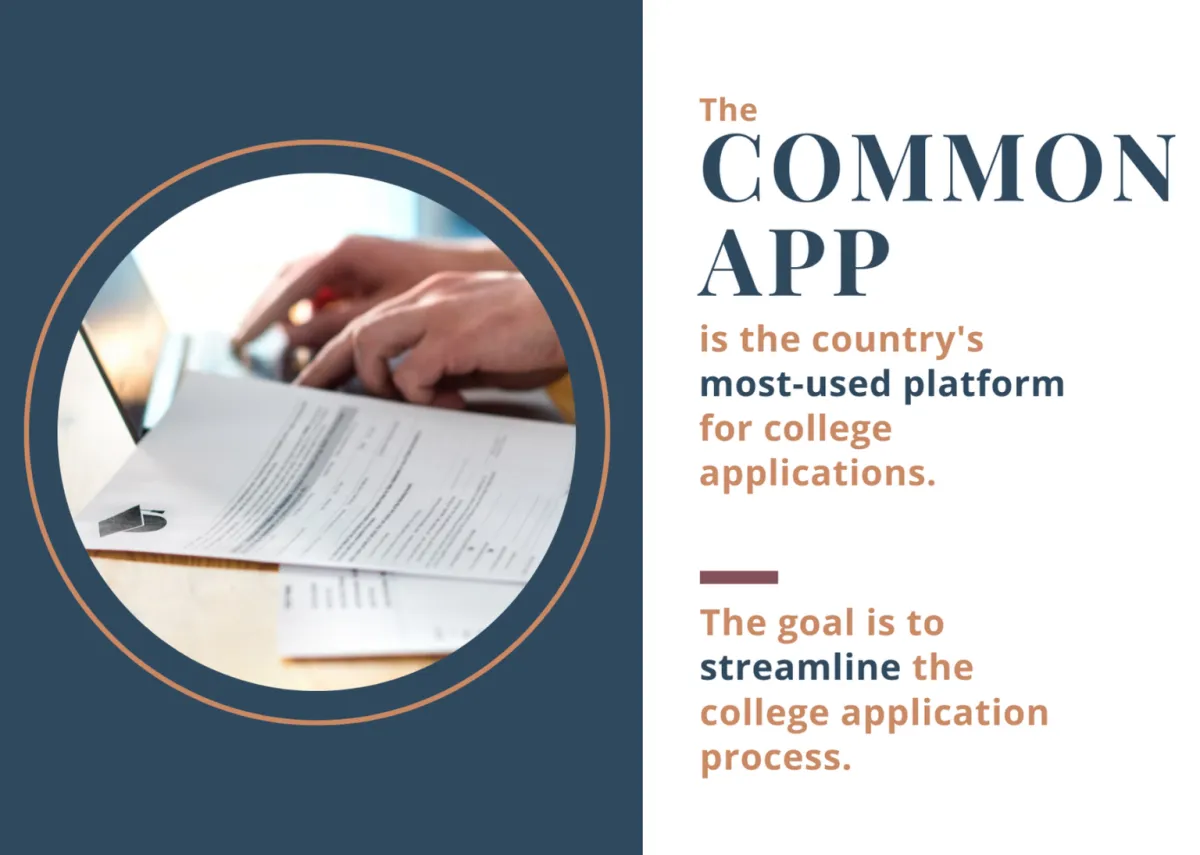 Photo: Common Application, via www.onlineschoolscenter.com
When Hope Came in Standard Envelopes
For decades, applying to college was refreshingly straightforward. Students typically applied to two or three schools—maybe four if they were feeling ambitious. The process involved requesting applications by mail, filling out basic information by hand, and writing a single essay that rarely exceeded 500 words. Most students applied to their state university, a local private college, and perhaps one reach school they'd heard good things about.
The essays weren't strategic masterpieces crafted to reveal hidden depths of character. They were honest, simple responses to questions like "Why do you want to attend our university?" or "Describe your career goals." Students wrote about wanting to become doctors, teachers, or engineers without needing to demonstrate how their summer job at the local ice cream shop revealed their passion for molecular gastronomy.
Admissions offices operated with small staffs who actually read every application. They knew their local high schools, understood regional differences, and made decisions based on grades, test scores, and a genuine sense of whether a student would thrive at their institution.
The Digital Revolution That Changed the Rules
The shift began quietly in the 1990s with the introduction of standardized applications that multiple schools would accept. What seemed like a convenience—apply once, send everywhere—gradually transformed into something much more complex.
The Common Application, launched in 1975 but not widely adopted until the internet age, now serves over 900 colleges. While it theoretically simplifies the process, it has enabled students to apply to far more schools than ever before. The average college-bound student now applies to twelve schools, with high-achievers often hitting twenty or more.
This volume explosion created an arms race. As more students applied to top-tier schools, acceptance rates plummeted, driving even more applications as students cast wider nets. Schools that once accepted 40% of applicants now reject 95%. The result is a feedback loop where students feel compelled to apply everywhere, driving down acceptance rates further.
The Consultant Industrial Complex
What emerged from this chaos was an entire industry built around college admissions anxiety. Private consultants charge thousands of dollars to help students craft the perfect application narrative. Test prep companies promise score improvements through intensive coaching. Summer programs market themselves as essential resume builders rather than educational experiences.
Middle-class families now budget for college applications the way previous generations budgeted for the actual education. Between test prep, application fees, consultant costs, and travel to campus visits, many families spend $10,000 or more just trying to get their child accepted somewhere.
The essays have evolved from simple statements of interest into carefully constructed personal brands. Students learn to mine their experiences for evidence of leadership, resilience, and unique perspective. A summer job becomes a "transformative experience in customer service excellence." Volunteering at a food bank demonstrates "commitment to social justice and community engagement."
When Everyone Knew Someone Who Could Help
The old system wasn't perfect, but it had an accessibility that today's process lacks. High school guidance counselors knew which local students had succeeded at nearby colleges. Teachers wrote recommendations based on classroom performance rather than strategic positioning. Students from working-class families weren't automatically disadvantaged by their inability to hire professional help.
Most importantly, the process felt proportional to what it was: a young person's first major life decision, not a high-stakes game requiring professional coaching and strategic planning.
The Price of Perfection
Today's college application process has become a full-time job for students and families. The stress starts in middle school, as parents research which high school courses and extracurricular activities will look best to admissions officers. Students plan their summers around building impressive resumes rather than working local jobs or simply being teenagers.
The financial barriers have multiplied exponentially. Application fees average $50 per school, meaning a typical student spends $600 just to submit applications. Add test registration fees, score reporting costs, and the almost-mandatory college visits, and the price of applying to college rivals what previous generations paid for an entire year of education.
What We Lost in Translation
The transformation of college admissions reflects broader changes in American society—the professionalization of childhood, the commodification of education, and the growing belief that everything important requires expert guidance. We've gained sophisticated systems for matching students with institutions, but lost the simplicity that made higher education feel accessible to any motivated teenager with decent grades.
Perhaps most importantly, we've lost the idea that getting into college was just the beginning of the journey, not the culmination of years of strategic positioning. When applying took a few hours rather than a few years, students could focus on learning and growing rather than optimizing and performing.
The envelope and stamp didn't guarantee admission, but they promised something equally valuable: the belief that opportunity was just a mailbox away.