Under Summer Stars, America Used to Gather: How We Traded Shared Dreams for Private Screens
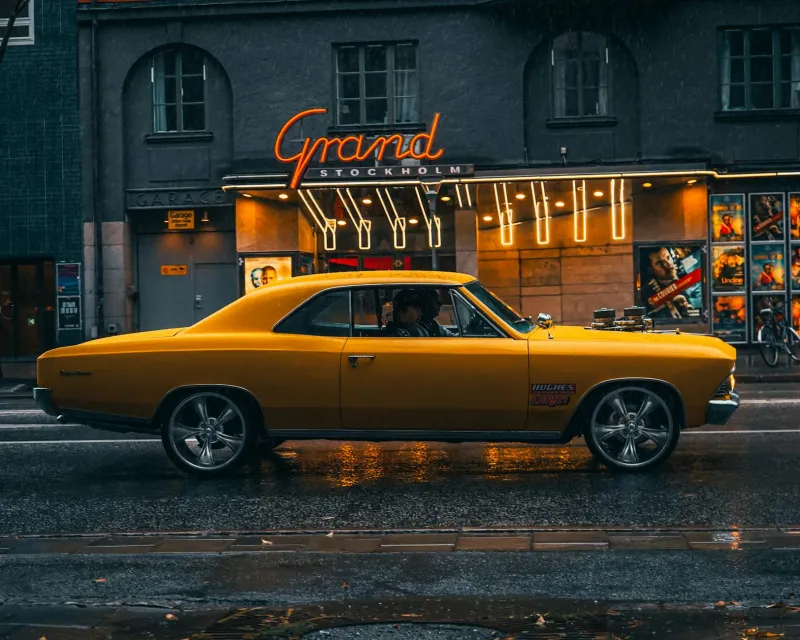
On any given summer evening in 1965, more than 4,000 drive-in theaters across America flickered to life as the sun set. Cars arrived early to claim the best spots, families spread blankets on hoods, and teenagers discovered the intoxicating freedom of being together in public yet somehow private.
By 2023, fewer than 300 drive-ins remained. We didn't just lose a quaint form of entertainment—we dismantled a piece of social infrastructure that connected communities in ways we're only now beginning to understand.
More Than Movies Under the Stars
The drive-in theater represented something uniquely American: democratic entertainment that brought together people across class lines, age groups, and social boundaries. Unlike indoor theaters with their assigned seats and hushed reverence, drive-ins were wonderfully chaotic community spaces.
At the Sunset Drive-In outside Phoenix, manager Betty Rodriguez kept attendance logs throughout the 1970s that reveal the drive-in's true social function. On a typical Saturday night, her lot hosted:
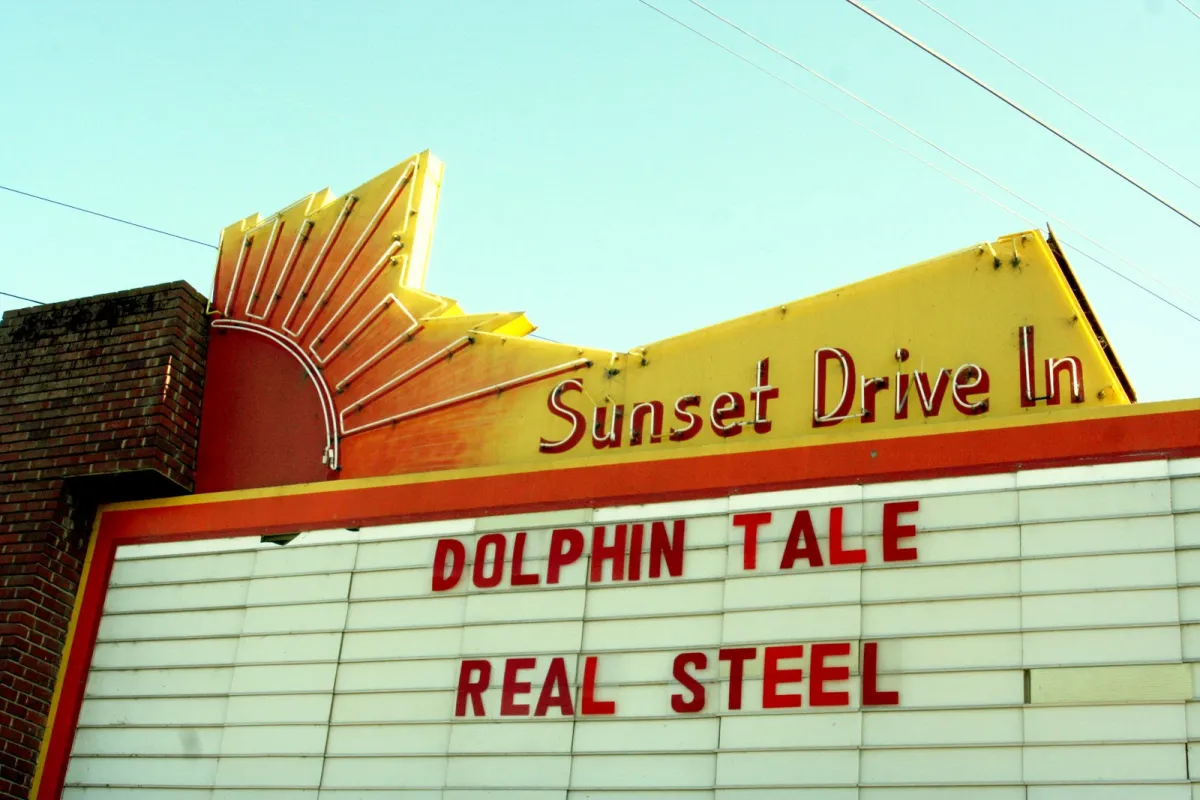 Photo: Sunset Drive-In, via 3.bp.blogspot.com
- Young families who couldn't afford babysitters for indoor theater dates
- Teenagers on first dates, nervous and excited in equal measure
- Elderly couples who found the car seats more comfortable than theater chairs
- Groups of friends who treated movies as background to social gatherings
- Shift workers who could catch late shows after unconventional work hours
The magic happened in the spaces between cars. Kids ran freely between vehicles during intermissions, making temporary friendships that lasted the length of a double feature. Parents struck up conversations while refilling popcorn buckets. Teenagers learned the delicate social choreography of group dating.
Most importantly, everyone watched the same movie at the same time. No personal queues, no algorithm-suggested content, no individual viewing schedules. The community experienced stories together, creating shared cultural moments that would be referenced in local conversations for weeks.
America's Original Social Network
Before Facebook, before Twitter, before any digital platform connected communities, the drive-in served as America's original social network. But instead of virtual connections mediated by screens, it offered physical gathering spaces where real relationships formed.
The weekly rhythm of drive-in attendance created natural social structures. Regular patrons developed informal territories—the Martinez family always parked near the concession stand, the Thompson teenagers claimed spots in the back left section, elderly couples preferred the front rows for better sound.
These weren't assigned seats but earned positions based on community standing and social relationships. New families were gradually incorporated into the social geography through a complex dance of acceptance that played out over multiple visits.
Drive-in employees became community fixtures who knew their regular customers' preferences, family situations, and viewing habits. Jimmy Chen worked the concession stand at the Twin City Drive-In in Minnesota for eighteen years and could predict what half his customers would order before they reached the counter. He knew which families were struggling financially and quietly provided free snacks for their kids. He knew which teenagers were dating and which relationships were on the rocks.
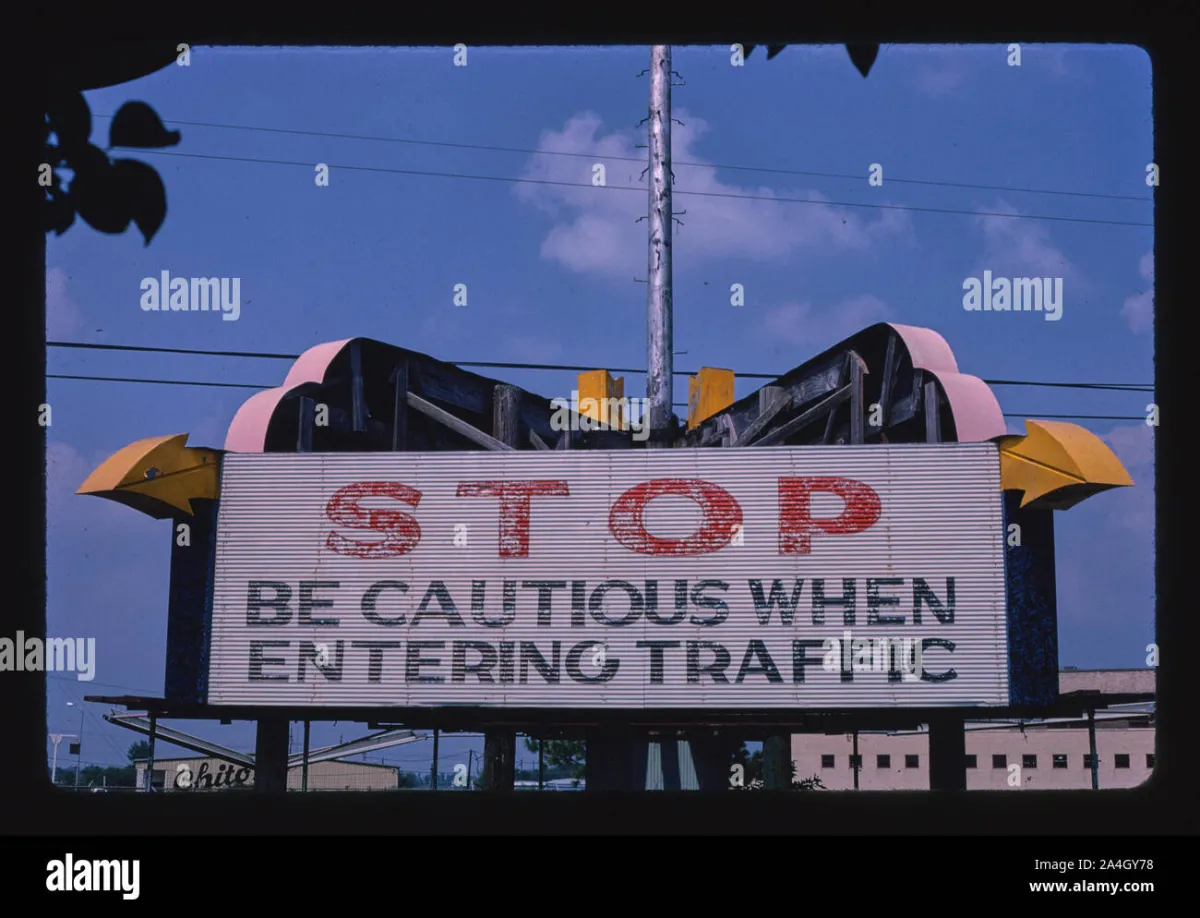 Photo: Twin City Drive-In, via c8.alamy.com
This kind of embedded community knowledge created social safety nets that extended far beyond the theater grounds. When the Kowalski family's father lost his job in 1973, their drive-in community rallied with informal support—free movie passes, shared concession food, and job leads passed along during intermissions.
The Freedom Machine
For American teenagers, the drive-in represented unprecedented social freedom. Unlike indoor theaters where adult supervision was constant and behavior strictly regulated, drive-ins offered a space where young people could experiment with independence while remaining technically within community bounds.
The car itself became a private space within a public setting. Teenagers could hold hands, share intimate conversations, and explore romantic relationships with a level of privacy impossible in most other social settings. Parents generally accepted this arrangement because the community oversight was still present—other families were nearby, and the drive-in's social structure provided informal but effective supervision.
This balance between freedom and community oversight helped many American teenagers navigate the transition to adulthood. The drive-in provided a safe space to practice adult behaviors—decision-making, relationship building, social responsibility—within a supportive community context.
Sarah Williams, who attended drive-ins regularly as a teenager in the 1960s, describes the experience as "learning to be grown-up while still being protected." The drive-in taught social skills that couldn't be learned anywhere else: how to navigate group dynamics in cars, how to balance couple time with friend time, how to be part of a community event while maintaining personal space.
The Algorithm of Shared Experience
Contrast this rich social ecosystem with how Americans consume entertainment today. Netflix's recommendation algorithm creates personalized viewing experiences that isolate us in individual content bubbles. We watch different shows, at different times, based on different data profiles of our preferences.
The result is a fragmented cultural landscape where shared reference points are increasingly rare. When everyone watches different content on their own schedule, the communal experience of storytelling disappears.
Drive-ins created the opposite dynamic: forced synchronization that built community bonds. When the entire town saw the same movie on the same weekend, it created shared cultural experiences that strengthened social connections.
Monday morning conversations at work, school, and local gathering places inevitably included discussions of the weekend's drive-in features. These shared cultural moments provided common ground for community members who might otherwise have little to discuss.
The drive-in's double features also created extended social experiences that encouraged deeper community bonding. A typical evening lasted four to five hours, with intermissions that facilitated socializing. Compare this to today's average movie experience: arrive just before showtime, sit silently for two hours, leave immediately when credits roll.
What We Lost When the Last Reel Ended
The decline of drive-in theaters reflected broader changes in American social life: suburbanization, television adoption, mall culture, and eventually digital entertainment. Each change offered convenience and choice at the expense of community connection.
Today's entertainment options provide unprecedented variety and personalization. We can watch anything, anytime, anywhere. But this freedom comes with hidden costs that we're only beginning to understand.
Social isolation, political polarization, and community fragmentation all trace partly to the loss of shared cultural experiences. When we stopped gathering under summer stars to watch stories together, we lost more than entertainment—we lost a practice of democracy.
The drive-in theater taught Americans how to be together in public spaces, how to negotiate social differences, how to create community across generational and class lines. These weren't abstract civic lessons but lived experiences repeated weekly throughout the summer months.
The Stars Are Still There
The few remaining drive-in theaters often struggle financially, operating as seasonal businesses with aging equipment and declining attendance. But their continued existence proves that the desire for shared, communal entertainment hasn't disappeared entirely.
Recent years have seen modest drive-in revivals, particularly during the pandemic when outdoor entertainment became suddenly relevant again. These experiences reminded many Americans of what we'd lost: the simple pleasure of watching stories unfold under open skies, surrounded by community.
The stars are still there, waiting above empty lots where projection screens once stood. The question is whether we remember that some technologies—some ways of being together—are worth preserving not because they're efficient or convenient, but because they're human.
In our rush toward personalized, on-demand entertainment, we may have optimized away the very experiences that made us a community. The drive-in theater wasn't perfect, but it was ours—a space where America gathered to dream together under the vast democracy of the night sky.