Under the Stars with Strangers: How America's Drive-In Theaters Created Magic That Netflix Never Could
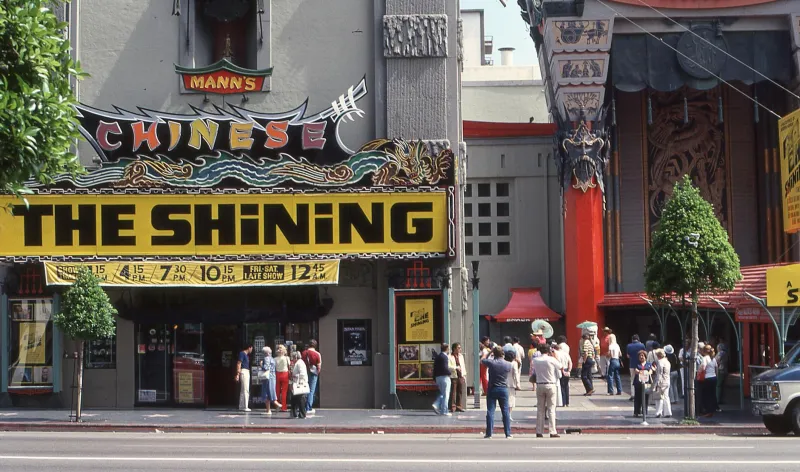
It's 1975, and the sun is setting behind the concession stand at the Sunset Drive-In Theater outside Toledo, Ohio. Cars begin filing through the entrance, paying $2 per carload—regardless of how many people are crammed inside. Families arrive early to claim spots near the front, while teenagers cruise slowly through the rows, looking for friends and trying to park near other cars without appearing too eager.
 Photo: Toledo, Ohio, via visittoledo.org
By the time the first feature starts, 400 cars are arranged in perfect rows, their occupants settling in for a night of entertainment that was part movie experience, part social event, and part American ritual. This was the drive-in theater at its peak—and it represented a form of communal entertainment that we've never quite replaced.
The Parking Lot Cinema Revolution
Drive-in theaters emerged in the 1930s but exploded in popularity after World War II, when car ownership surged and suburban development created the perfect conditions for large-screen outdoor entertainment. By 1958, America had more than 4,000 drive-ins, serving an estimated 20% of the movie-going public.
The concept was brilliantly simple: a massive outdoor screen, a projection booth, rows of parking spaces with individual speakers, and a concession stand that sold everything from popcorn to playground equipment for restless children. For the price of a single ticket at an indoor theater, an entire carload of people could watch a double feature under the stars.
Drive-ins democratized moviegoing in ways that traditional theaters couldn't match. Families with young children could attend without worrying about disturbing other patrons—kids could sleep in the back seat during the second feature, or play on the playground area that many drive-ins installed near the screen. Teenagers found a social space that offered both independence and supervision, where they could go on dates while still being part of a larger community gathering.
The experience was inherently different from indoor theaters. You controlled your own environment—adjusting the car windows for temperature, bringing your own snacks, talking during the movie without bothering strangers. Yet you were also part of a shared experience, watching the same story unfold with hundreds of other families and couples spread across the dark lot.
The Concession Stand Community
Drive-ins created their own social ecosystem centered around the concession stand, which served as both intermission destination and community gathering point. During the break between features, the lot would come alive as people stretched their legs, visited the restrooms, and bought snacks.
These concession stands were often elaborate affairs, selling far more than traditional movie theater fare. Many offered full dinners, pizza, hamburgers, and regional specialties alongside the standard popcorn and candy. Some drive-ins even featured playgrounds, miniature golf courses, and petting zoos, transforming movie night into a complete family outing.
The intermission became a social ritual unto itself. Teenagers would cruise the concession area, parents would chat with neighbors from other cars, and children would burn off energy before settling in for the second feature. These interactions created a sense of temporary community among strangers who might never see each other again but shared this particular evening under the stars.
Drive-in employees became local celebrities of sorts, especially the projection booth operators who manually changed reels and the concession workers who could remember regular customers' orders. Many drive-ins were family-owned businesses that employed local teenagers and became integral parts of their communities.
The Technology of Togetherness
Early drive-ins used massive speakers mounted on poles, which created sound quality problems and disturbed nearby neighborhoods. The innovation that made drive-ins truly viable was the individual car speaker—a small metal box that hooked onto partially rolled-down car windows and delivered audio directly to each vehicle.
These speakers became iconic symbols of the drive-in experience. The ritual of hooking up the speaker, adjusting the volume, and finding the right balance between sound quality and window position was part of settling in for the show. Some families brought pillows and blankets to create cozy viewing environments, while others opened car doors and set up lawn chairs for a more outdoor experience.
The technology was simple but effective, creating personal audio spaces within the larger communal viewing experience. Each car became its own private theater box while remaining part of the collective audience. This balance between privacy and community was the drive-in's special magic—you could have intimate conversations during boring parts of the movie while still participating in the shared experience of collective laughter, gasps, and applause.
The Economics of Entertainment
Drive-ins offered extraordinary value during an era when family entertainment options were limited and expensive. The per-car pricing meant that large families could afford regular movie outings, and the double feature format provided an entire evening's entertainment for a single admission price.
Many drive-ins offered special promotions that further enhanced their value proposition: "Buck Night" when admission was just one dollar per car, "Family Night" with reduced prices and kid-friendly double features, and seasonal events like horror movie marathons in October or Christmas movie festivals in December.
The business model worked because drive-ins could accommodate far more patrons than indoor theaters while operating with minimal staff. A single drive-in might serve 500-800 cars on busy nights, generating revenue primarily through admissions and concession sales. The outdoor setting also allowed for creative programming—some drive-ins hosted live music before movies, featured guest appearances by local radio personalities, or organized car shows and swap meets during daylight hours.
When the Screen Went Dark
The drive-in decline began in the 1970s and accelerated through the 1980s, driven by multiple factors that made the business model unsustainable. Rising real estate values made the large lots required for drive-ins too valuable for entertainment use—developers could generate more revenue by building shopping centers, housing developments, or office complexes.
Changes in movie distribution also hurt drive-ins. Studios began releasing films simultaneously in indoor and outdoor theaters rather than following the traditional model of indoor runs followed by drive-in showings. This meant drive-ins had to compete directly with climate-controlled indoor theaters that offered better picture and sound quality.
The rise of home video entertainment provided families with convenient alternatives to drive-in outings. Why load the kids into the car and hope for good weather when you could rent a movie and watch it at home? Cable television and later streaming services continued this trend toward privatized entertainment consumption.
By 2000, fewer than 400 drive-ins remained operational in the United States, down from the peak of more than 4,000. Today, approximately 300 drive-ins still operate, mostly as nostalgic attractions or seasonal entertainment venues rather than primary movie destinations.
The Community We Parked Together
Drive-ins created a form of shared entertainment that we've struggled to replace in the streaming age. They offered families affordable outings that didn't require babysitters, gave teenagers supervised independence, and created temporary communities of strangers united by shared stories.
The drive-in experience was inherently democratic—the banker's family and the factory worker's family paid the same admission and watched the same screen under the same stars. Economic differences were less visible in the dark lot than in indoor theater lobbies, and the informal atmosphere encouraged interaction across social boundaries.
Modern entertainment consumption, for all its convenience and quality, tends toward isolation. We watch different shows on different devices at different times, creating fewer opportunities for shared cultural experiences. Even when families watch movies together at home, they're not part of a larger community gathering.
Some communities have recognized what was lost and attempted to recreate it through pop-up drive-in events, outdoor movie screenings in parks, and seasonal drive-in revivals. These events consistently draw enthusiastic crowds, suggesting that appetite remains for entertainment experiences that combine privacy with community.
The magic of the drive-in wasn't just the novelty of watching movies from your car—it was the creation of temporary neighborhoods under the stars, places where strangers shared stories and families created memories that lasted long after the credits rolled. In our rush toward more convenient entertainment, we may have parked that sense of community somewhere we forgot to mark on the map.