When Everyone Knew Everyone: How America's Neighborhoods Became Islands of Strangers
When Everyone Knew Everyone: How America's Neighborhoods Became Islands of Strangers
In 1955, if you needed to borrow a ladder, you didn't drive to Home Depot. You walked next door. If your kid scraped a knee three houses down, Mrs. Henderson would clean it up and send them home with a band-aid and a cookie. When the Johnsons went on vacation, their mail got collected, their lawn got watered, and their house got watched—not by a security system, but by people who actually cared.
Today, a survey by the Pew Research Center found that only 26% of Americans know most of their neighbors by name. Nearly half can't identify a single person living on their block. We've become strangers living in parallel universes, separated by driveways and privacy fences.
So what happened? How did America go from neighborhoods that functioned like extended families to subdivisions full of people who wouldn't recognize each other at the grocery store?
The Front Porch Republic
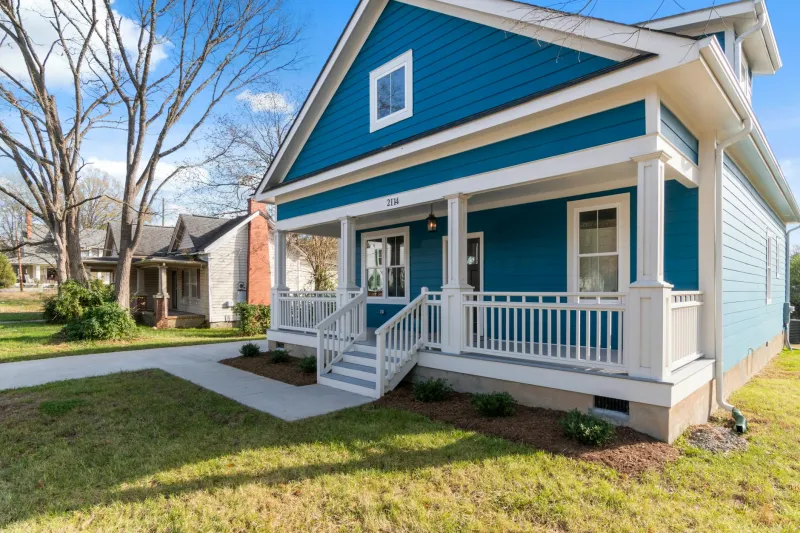
Walk through any neighborhood built before 1960, and you'll notice something: front porches. Big ones. Porches with swings, rockers, and enough space for the whole family to sit outside after dinner. These weren't decorative features—they were the social infrastructure of American community life.
Evening porch-sitting was a ritual. Families would migrate outside as the sun went down, kids would play in the yard while parents talked across property lines, and neighbors would drift over for impromptu conversations. You couldn't avoid knowing your neighbors because you literally saw them every day.
The front porch served as America's original social network. It was where news traveled, where relationships formed, and where the informal rules of neighborhood life got negotiated. When the Millers' teenage son started acting up, the whole block knew about it. When Mrs. Garcia's husband was in the hospital, casseroles appeared without anyone having to organize a meal train.
The Great Retreat Indoors
Then came air conditioning. By 1970, more than half of American homes had central air. Suddenly, sitting outside in the summer heat seemed less appealing than retreating to climate-controlled comfort. The evening migration to the front porch ended almost overnight.
Air conditioning didn't just cool houses—it fundamentally changed how Americans used their homes. The porch became obsolete. New subdivisions started getting built without them, or with tiny decorative versions that nobody actually used. The center of family life moved from the front of the house to the back, where privacy fences created individual outdoor spaces that neighbors couldn't see into.
The shift was subtle but profound. Instead of shared front yards where kids played together and parents naturally intersected, American suburbs became collections of private islands. The backyard barbecue replaced the front porch conversation.
When Work Stayed at Work
In the 1950s and '60s, most breadwinners worked within a few miles of home. Dad left at 8 AM and returned by 5:30 PM. Mom was home during the day, part of an informal network of neighborhood women who kept an eye on each other's kids and shared coffee and gossip over back fences.
Work schedules were predictable and similar across the neighborhood. Most families operated on the same rhythm, which meant kids played together after school, families ate dinner at the same time, and everyone was available for those spontaneous porch conversations in the evening.
Today's reality looks completely different. The average American commute is 27 minutes each way—longer in major metropolitan areas. Many families have two working parents with mismatched schedules. Remote work means some neighbors are home all day while others are never around. The shared rhythm that once synchronized neighborhood life has completely fractured.
The Architecture of Isolation
Modern suburban design actively discourages neighborly interaction. Houses built after 1980 typically feature garage-front designs where the driveway and garage door dominate the street-facing facade. Residents can drive directly into their garage and enter their house without ever stepping outside or encountering a neighbor.
Lot sizes got bigger, pushing houses farther apart. Subdivision layouts prioritized privacy over community, with curved streets and cul-de-sacs that reduce foot traffic and chance encounters. The neighborhood grocery store, post office, and pharmacy—places where residents naturally bumped into each other—got replaced by strip malls and big-box stores that you drive to.
Even the humble sidewalk became optional. Many newer subdivisions were built without them, eliminating the infrastructure for casual neighborhood walks and the spontaneous conversations they generated.
Digital Connection, Physical Distance
Social media promised to connect us, but it may have had the opposite effect on neighborhood relationships. Why chat with the person next door when you can scroll through updates from high school friends across the country? Our social energy gets absorbed by digital relationships, leaving less motivation for the slower, more effortful work of building local connections.
Nextdoor, the neighborhood-focused social app, was supposed to revive community connections. Instead, it often becomes a platform for complaints about barking dogs and suspicious-looking delivery drivers—highlighting how much trust and goodwill has eroded between neighbors.
What We Lost in the Shuffle
The consequences go beyond just knowing fewer names. Strong neighborhood relationships provided practical benefits that we now pay for or do without. Informal childcare networks meant parents could run errands while neighbors kept an eye on kids. Tool and equipment sharing reduced household expenses. Local knowledge—which contractor to trust, which streets flood in heavy rain, which houses were for sale before the signs went up—flowed freely.
There were also intangible benefits: a sense of belonging, informal safety networks, and the comfort of knowing that someone would notice if you didn't bring in your newspaper for a few days. These social connections provided resilience during emergencies and support during difficult times.
The Path Back
Some communities are experimenting with ways to rebuild neighborhood connections. Block parties, community gardens, and "front yard Friday" initiatives attempt to recreate opportunities for casual interaction. Some newer developments are returning to front-porch designs and walkable layouts.
But reversing fifty years of social and physical infrastructure changes isn't easy. The economic and cultural forces that created our current isolation—longer commutes, dual-income families, digital entertainment, privacy preferences—remain powerful.
The Stranger Next Door
Perhaps the most telling sign of how much has changed is this: the idea of borrowing something from a neighbor now seems almost absurd to many Americans. We'd rather order whatever we need online than knock on a stranger's door—even if that stranger lives twenty feet away.
We've gained privacy, convenience, and climate control. But we've lost something harder to quantify: the daily human connections that once made neighborhoods feel like communities rather than just collections of houses. Whether that trade-off was worth it might depend on how well you remember what we gave up.