The $500 Promise That Made Parents Feel Like Scholars: When Encyclopedias Were America's Google

The doorbell rings on a Thursday evening in 1978. Your father opens the door to find a well-dressed man carrying a briefcase and wearing a confident smile. "Good evening, sir. I'm here to talk to you about your children's future." Two hours later, your parents have signed up for a 24-volume set of World Book Encyclopedia, payable at $19.99 per month for the next two years.
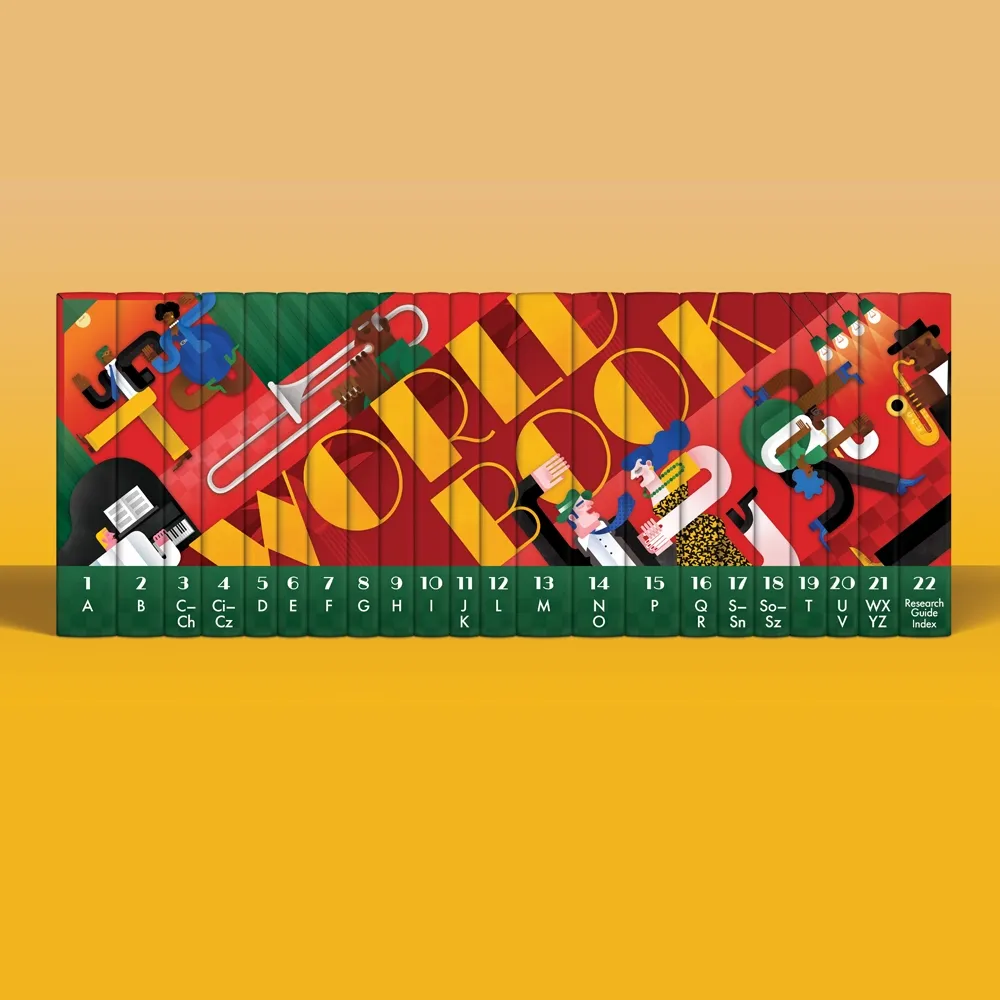 Photo: World Book Encyclopedia, via www.worldbook.com
This wasn't an impulse purchase. This was an investment in the family's intellectual standing, a down payment on your children's success, and a statement about what kind of household you were running.
The Knowledge Salesman's Promise
Encyclopedia salesmen were part educator, part psychologist, and part financial advisor. They didn't just sell books—they sold dreams wrapped in leather binding and gold lettering.
The pitch was masterful. They'd arrive during dinner hours when the whole family was home, set up their demonstration volumes on your dining room table, and begin their presentation. They'd ask about your children's grades, their favorite subjects, their college aspirations. Then they'd open to a random entry and begin reading, making the information come alive with enthusiasm that made even the most mundane topics sound fascinating.
"Imagine," they'd say, "your daughter needs to write a report on the Amazon rainforest. Instead of hoping the library has the right book available, she walks to this shelf and finds everything she needs right here in your own home."
 Photo: Amazon rainforest, via palotoaamazontravel.com
The salesman would emphasize that this wasn't just about homework. This was about raising curious, well-informed children who would stand out in college applications and job interviews. In an era before the internet, owning comprehensive reference materials was genuinely valuable—and genuinely expensive.
A complete encyclopedia set in the 1970s cost between $300 and $600, equivalent to $1,500 to $3,000 today. Most families couldn't afford that upfront, so encyclopedia companies perfected the installment plan, making the purchase feel manageable while emphasizing the long-term value.
The Living Room Library
Once installed, encyclopedia sets became the intellectual centerpiece of American homes. They occupied prime real estate—usually a dedicated bookshelf in the living room or family room where visitors would immediately notice them. The spines, arranged in perfect alphabetical order, announced to anyone who entered that this was a household that valued learning.
Children grew up understanding that these books represented the sum of human knowledge, carefully curated by experts and presented in authoritative prose. Need to know about ancient Rome? Volume 15, between "Rome" and "Russia." Curious about how engines work? Volume 8 had detailed diagrams and explanations written for the general reader.
The ritual of "looking it up" became a family activity. When questions arose during dinner conversation or homework time, someone would inevitably say, "Let's check the encyclopedia." The physical act of pulling down the heavy volume, finding the right entry, and reading aloud created shared learning moments that felt important and deliberate.
Parents took pride in being able to direct their children to reliable information without leaving the house. Teachers recognized students who had access to encyclopedias at home—their reports were often more comprehensive and better researched than those of classmates who relied solely on school library resources.
The Annual Update Ritual
Encyclopedia ownership came with ongoing commitment. Each year, families would receive a yearbook supplement that updated the previous year's information and covered major developments. The arrival of the new yearbook was an event—it meant your family's knowledge was current and complete.
These yearbooks captured history as it happened. The 1969 World Book Yearbook covered the moon landing in detail that wouldn't be available in the main volumes for years. The 1974 yearbook documented Watergate. The 1981 yearbook explained personal computers to families who had never seen one.
Parents would often sit with their children and page through the yearbook together, discussing major events and discoveries. This created a shared understanding of how knowledge accumulated and evolved—something that's harder to appreciate in the age of constantly updating websites.
When Knowledge Had Weight
Physical encyclopedias created a different relationship with information than we have today. Knowledge had literal weight—those 24 volumes took up significant space and represented a substantial financial investment. This made information feel valuable and permanent in ways that free, instantly accessible information doesn't.
Children understood that not every household had encyclopedias, which made access to comprehensive information feel special. Being able to answer a friend's question by saying "I can look that up at home" carried social currency. Having the "good" encyclopedia set—World Book, Britannica, or Collier's—indicated that your family was serious about education.
The writing in encyclopedias was crafted for general audiences but maintained academic authority. Entries were written by experts but edited for clarity and comprehensiveness. This created a middle ground between academic journals and popular magazines—authoritative but accessible information that most families could trust and understand.
The Wikipedia Revolution
By the late 1990s, encyclopedia salesmen had largely disappeared from American doorsteps. CD-ROM versions of encyclopedias briefly extended their relevance, but the rise of the internet made comprehensive reference books seem quaint and unnecessary.
Wikipedia, launched in 2001, delivered on the encyclopedia's promise more completely than any bound set ever could. It was more current, more comprehensive, more accessible, and completely free. By 2012, Encyclopedia Britannica announced it would stop printing physical sets after 244 years.
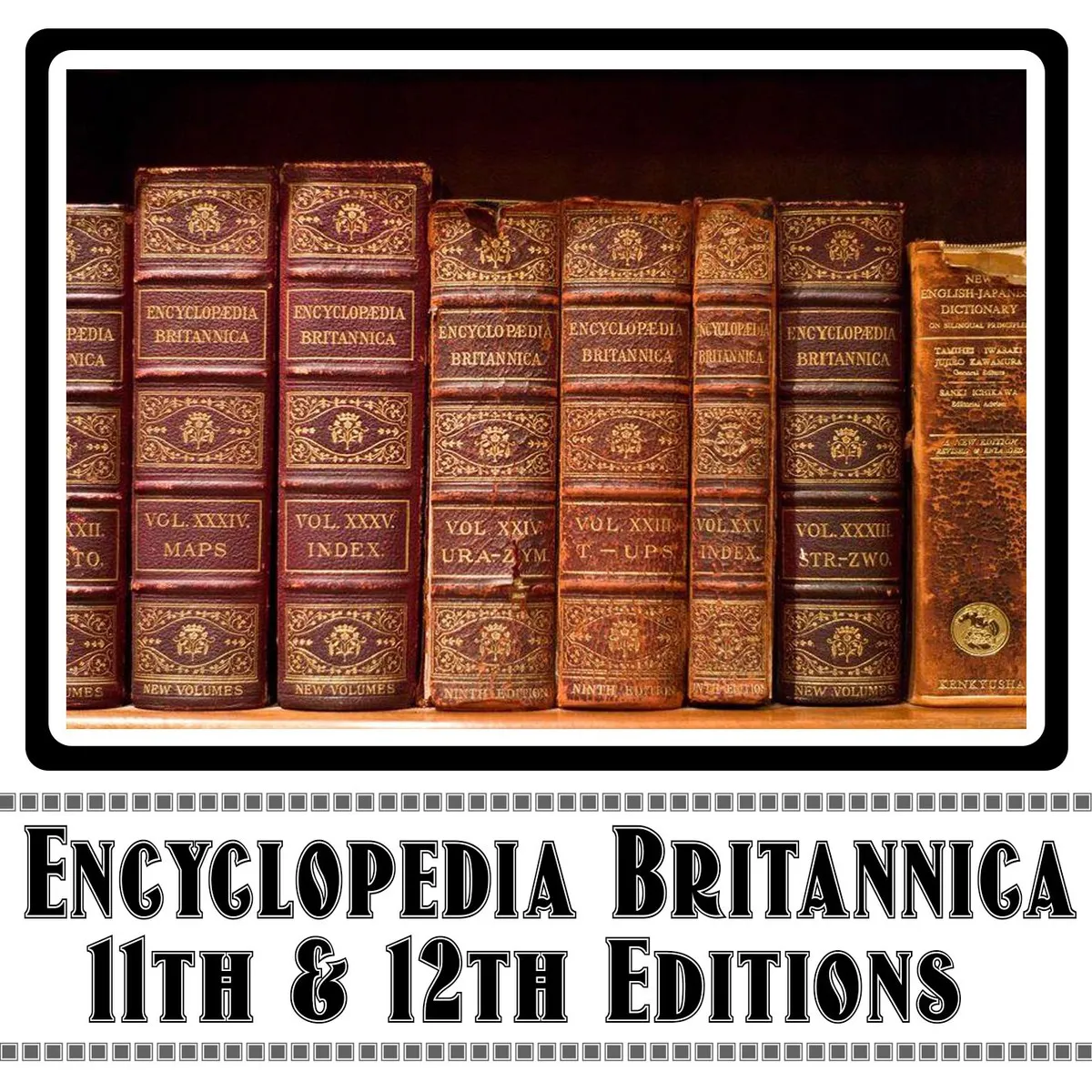 Photo: Encyclopedia Britannica, via i.ebayimg.com
We gained unprecedented access to information, but we lost something harder to quantify. The deliberate act of looking things up was replaced by instant answers to questions we didn't even finish asking. The shared family reference became individualized smartphone searches. The curated authority of expert-written entries gave way to crowd-sourced information that required users to evaluate credibility themselves.
What We Kept in Those Volumes
The encyclopedia era represented a specific moment in American family life when parents could make a single purchase that genuinely improved their children's educational opportunities. The $500 investment in a World Book set was real money for most families, but it delivered real value over many years.
Those volumes also represented a kind of intellectual democracy. Whether your father was a factory worker or a college professor, the same authoritative information sat on your shelf. Encyclopedia ownership leveled educational playing fields in ways that internet access, despite its greater reach, sometimes struggles to achieve.
Today's information landscape offers incredible advantages—instant access, multimedia content, real-time updates, and global perspectives that no printed encyclopedia could match. But we lost the ritual of family learning, the pride of ownership, and the comforting authority of information that experts had vetted and parents had invested in.
Somewhere in storage units across America, complete encyclopedia sets gather dust, their gold lettering still promising knowledge to anyone willing to lift the cover and turn the page. They represent a time when information was scarce enough to be valuable, permanent enough to be trusted, and expensive enough to be treasured.