The Western Union Envelope That Stopped the World: When News Had Weight and Time to Sink In

Photo by Annie Spratt on Unsplash
When History Knocked on Your Door
The yellow Western Union envelope in the mailman's hand meant everything had changed. Neighbors would stop their gardening to watch as he walked up your front steps, knowing that telegrams carried only the most urgent news—births, deaths, declarations of war, or life-altering announcements that couldn't wait for regular mail.
Receiving that envelope was a ceremony. Families gathered in the living room as someone carefully opened the thin paper and read the spare, expensive words aloud. The message might contain fewer than twenty words, but each one carried enormous weight because urgent communication cost real money and demanded real consideration.
Today, that same urgency arrives as a push notification that disappears among dozens of others. Pearl Harbor, moon landings, and presidential assassinations would now scroll past in our feeds between celebrity gossip and sponsored content. We've gained instant access to everything happening everywhere, but we've lost the gravity that scarcity once provided.
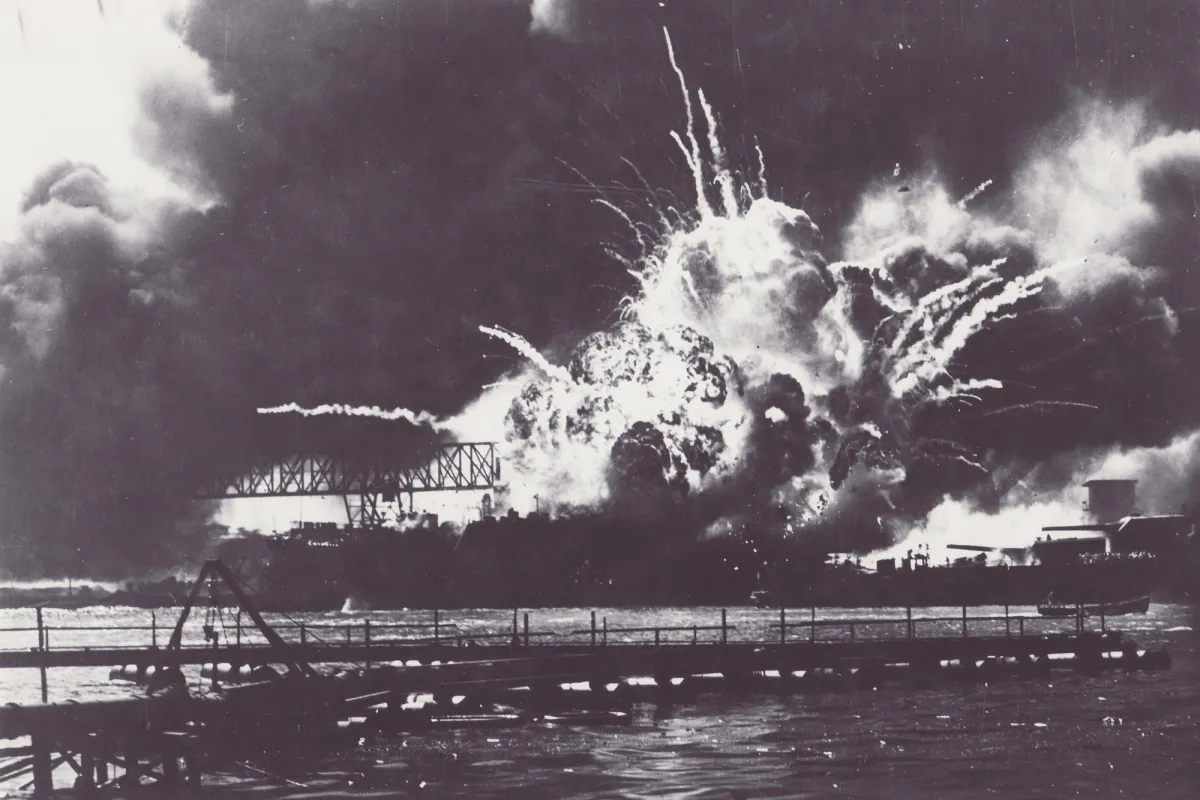 Photo: Pearl Harbor, via i1.wp.com
The Ritual of Receiving News
Before the internet, Americans experienced major news as shared, ceremonial events. Radio broadcasts interrupted regular programming with urgent announcements, causing families to gather around their sets. The phrase "We interrupt this program" carried genuine drama because interruptions were rare and significant.
Newspapers published "extras" for truly momentous occasions—special editions that newsboys sold on street corners while shouting headlines. People would literally stop what they were doing to buy these papers, reading them immediately and discussing the news with strangers right there on the sidewalk.
The evening news broadcast represented appointment television. Walter Cronkite didn't compete with infinite other information sources. When he removed his glasses to announce President Kennedy's death, the entire country was watching and listening together, processing the same information at the same pace.
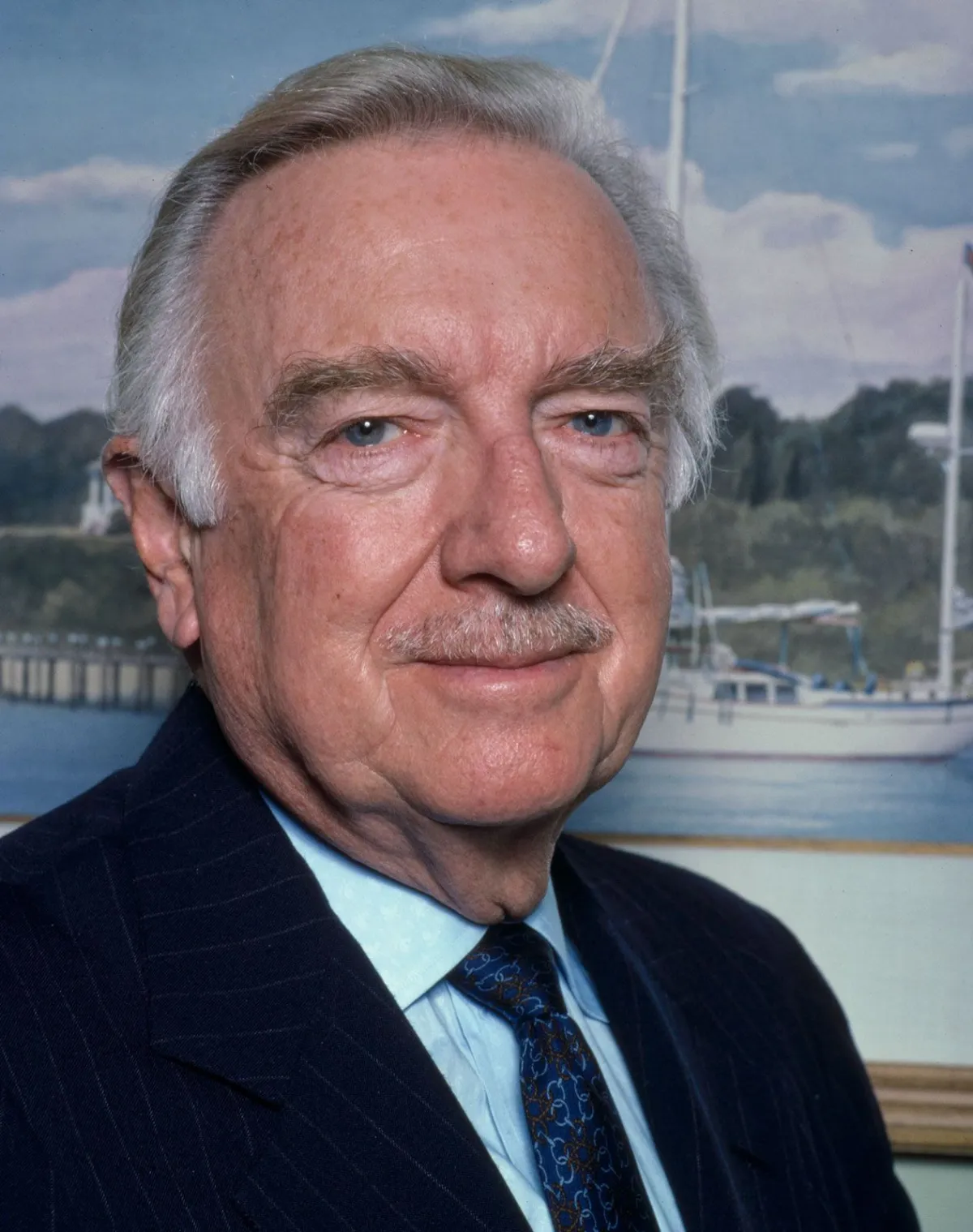 Photo: Walter Cronkite, via cdn.britannica.com
When Words Traveled Slowly and Mattered More
The telegraph system that dominated urgent communication from the 1840s through the 1960s forced brevity and precision. Every word cost money—typically 10 cents in 1920, equivalent to about $1.50 today. This economic pressure created a unique communication style where every syllable was considered and essential.
Telegram operators became masters of compressed language. "Baby arrived safely stop mother doing well stop" conveyed maximum information in minimum words. The famous "NUTS" response from General McAuliffe during the Battle of the Bulge exemplified how constraints could create powerful communication.
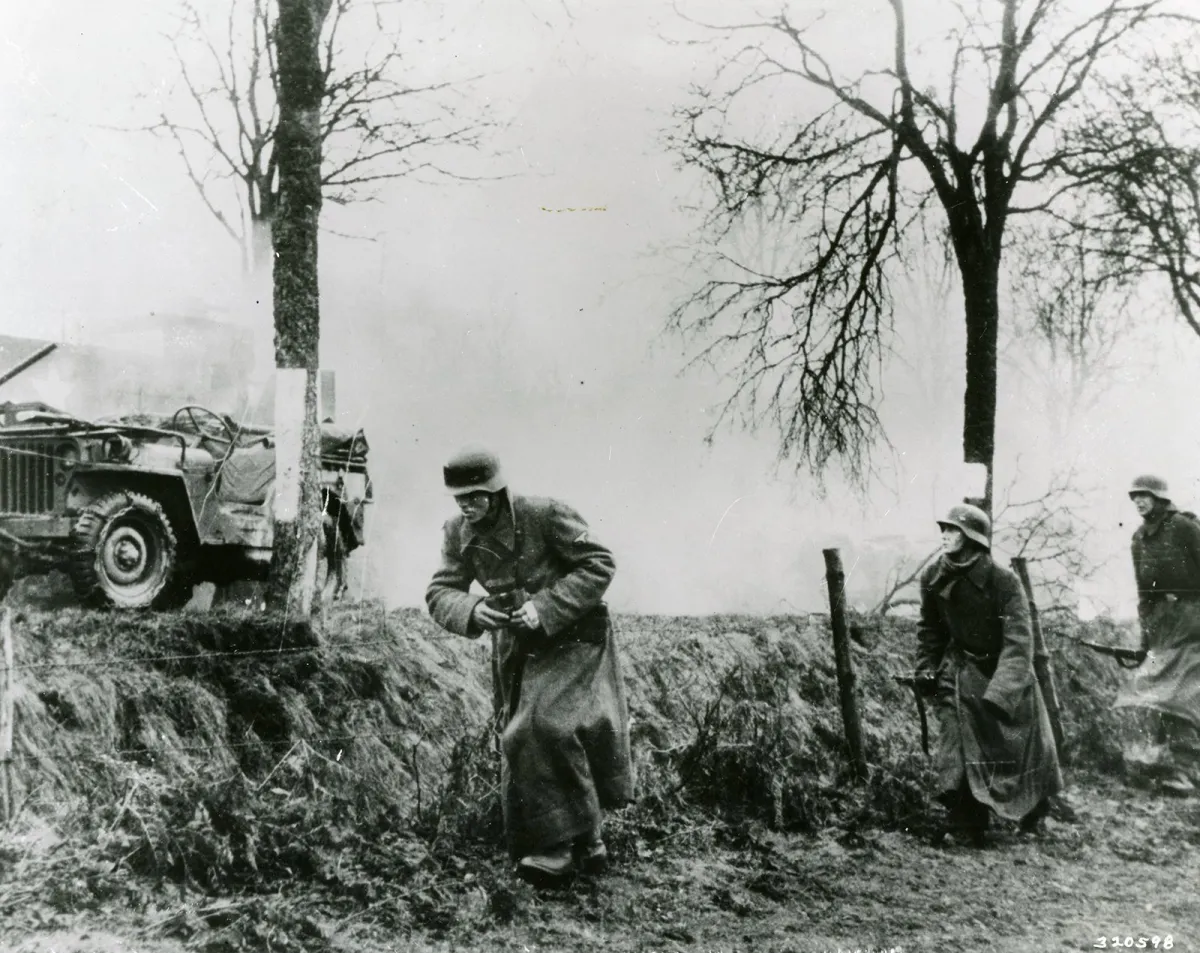 Photo: Battle of the Bulge, via cdn.britannica.com
International news moved even more slowly. Foreign correspondents filed stories by telegram or cable, with transmission delays measured in hours or days. This forced journalists to focus on truly significant developments rather than minute-by-minute updates. Readers received thoughtful analysis rather than breathless speculation.
The Shared Shock of Simultaneous Discovery
Major historical events created genuine national moments of collective experience. When President Roosevelt announced Pearl Harbor over radio, virtually every American heard the same words at the same time. There were no competing interpretations, instant analysis, or social media reactions—just shared absorption of momentous information.
The Kennedy assassination demonstrated how news once unified rather than divided attention. Television networks suspended all regular programming for four straight days. Americans experienced the tragedy together, watching the same footage and hearing the same reports. The nation processed grief collectively because information sources were limited and shared.
Contrast this with how Americans experienced September 11th—the last major event to briefly recreate that older pattern of shared attention. Even then, cable news channels offered different perspectives, websites provided constant updates, and social media was beginning to fragment the experience into individual feeds and reactions.
When Breaking News Actually Broke Something
The phrase "breaking news" once meant exactly that—information so significant it broke through normal communication patterns. Radio shows were interrupted, newspaper production was stopped to reset headlines, and television programming was suspended. These interruptions carried weight because they were rare and expensive.
Today, "breaking news" appears dozens of times daily across multiple platforms. Cable news channels treat routine political statements as urgent bulletins. Social media algorithms prioritize engagement over significance. We've inflated the language of urgency until nothing feels genuinely urgent anymore.
The boy who cried wolf now works in digital media, and we've lost the ability to distinguish between genuine emergencies and manufactured drama.
The Democracy of Delayed Information
Slower news distribution created a more democratic information environment. Rich and poor Americans typically learned about major events simultaneously—when the evening paper arrived or the radio broadcast began. Wealth couldn't buy significantly faster access to breaking news.
This shared timeline created common reference points for national conversation. Everyone learned about the moon landing or the Berlin Wall's fall at roughly the same pace, allowing for collective processing and shared cultural moments.
Today's information hierarchy moves at different speeds for different economic classes. Financial markets react to news in milliseconds. Wealthy individuals access premium information services. Social media algorithms create personalized information bubbles. We no longer experience major events as a unified nation.
The Weight of Waiting
Perhaps most significantly, slower news forced Americans to sit with information rather than immediately reacting. The gap between receiving news and being able to respond created space for contemplation. People had time to absorb the implications of major events before forming opinions or taking action.
Families discussed news around dinner tables because there wasn't constant information updating. Communities processed events together because everyone was working with the same limited information set. The absence of instant reaction created room for thoughtful response.
When Silence Spoke Volumes
The old news ecosystem included built-in pauses that we've entirely lost. Newspapers had daily deadlines that created natural reflection periods. Radio broadcasts had scheduled times that allowed absorption between updates. Even television news occurred at specific hours, leaving gaps for processing.
These information gaps weren't bugs in the system—they were features that allowed democracy to function more deliberately. Citizens could consider issues without constant bombardment of new angles, updates, and reactions.
The Notification That Changed Nothing
Today's news arrives as ambient background noise rather than significant interruption. Push notifications compete with text messages, social media updates, and app alerts. Historic events get the same visual treatment as restaurant promotions and sports scores.
We've created an information environment where everything is urgent and therefore nothing is urgent. The telegram envelope that once stopped conversations and gathered families now appears as a red badge on a phone screen, easily ignored among dozens of other demands for attention.
In gaining instant access to global information, we've lost the weight that made news feel consequential. The yellow envelope has been replaced by an endless stream of notifications, and somehow the world feels smaller and less significant as a result.
History still happens, but it no longer has the power to make us stop and listen. The breaking news that once broke through our daily routines now simply joins the queue of information competing for our fractured attention. We know more and feel less, informed about everything but moved by nothing.