When Every Home Was a Symphony Hall: The Forgotten Era of Family Music-Making
The Instrument That Defined a Home
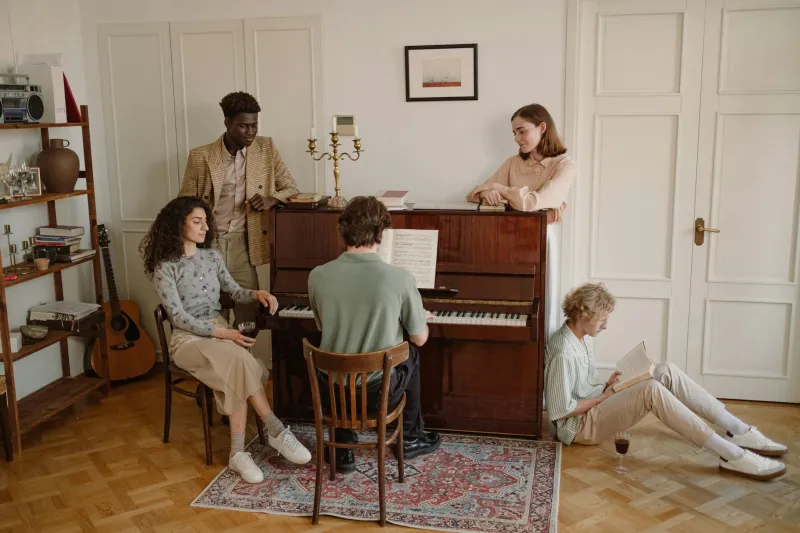
Walk into any middle-class American home between 1880 and 1950, and you'd find it: the parlor piano, standing like a wooden altar in the living room's place of honor. This wasn't decoration or status symbol—it was the family's entertainment system, communication device, and cultural anchor rolled into one magnificent piece of furniture.
Families gathered around that piano bench the way we now cluster around television screens. Except instead of passively consuming entertainment, they created it. Mother played hymns after Sunday dinner. Father picked out popular tunes from sheet music bought at the five-and-dime. Children practiced scales and simple melodies, building skills that would last lifetimes.
Today, that same living room space holds a 65-inch smart TV connected to streaming services that deliver infinite musical options. We have access to more music than any generation in history, yet most American homes sit silent of live music-making. The transformation happened so gradually that we barely noticed when we stopped being musicians and became mere consumers.
When Playing Music Was as Common as Reading
In 1910, American families purchased over 300,000 pianos annually—roughly one for every 300 people in the country. Piano ownership ranked alongside literacy as a marker of middle-class respectability. Parents scrimp to afford lessons for their children, understanding that musical ability represented essential education, not luxury enrichment.
Sheet music sales reached astronomical numbers. Irving Berlin's "Alexander's Ragtime Band" sold over one million copies in 1911—not as recordings, but as printed music for home performance. Families bought the latest popular songs the way we download albums today, except they had to learn and perform every note themselves.
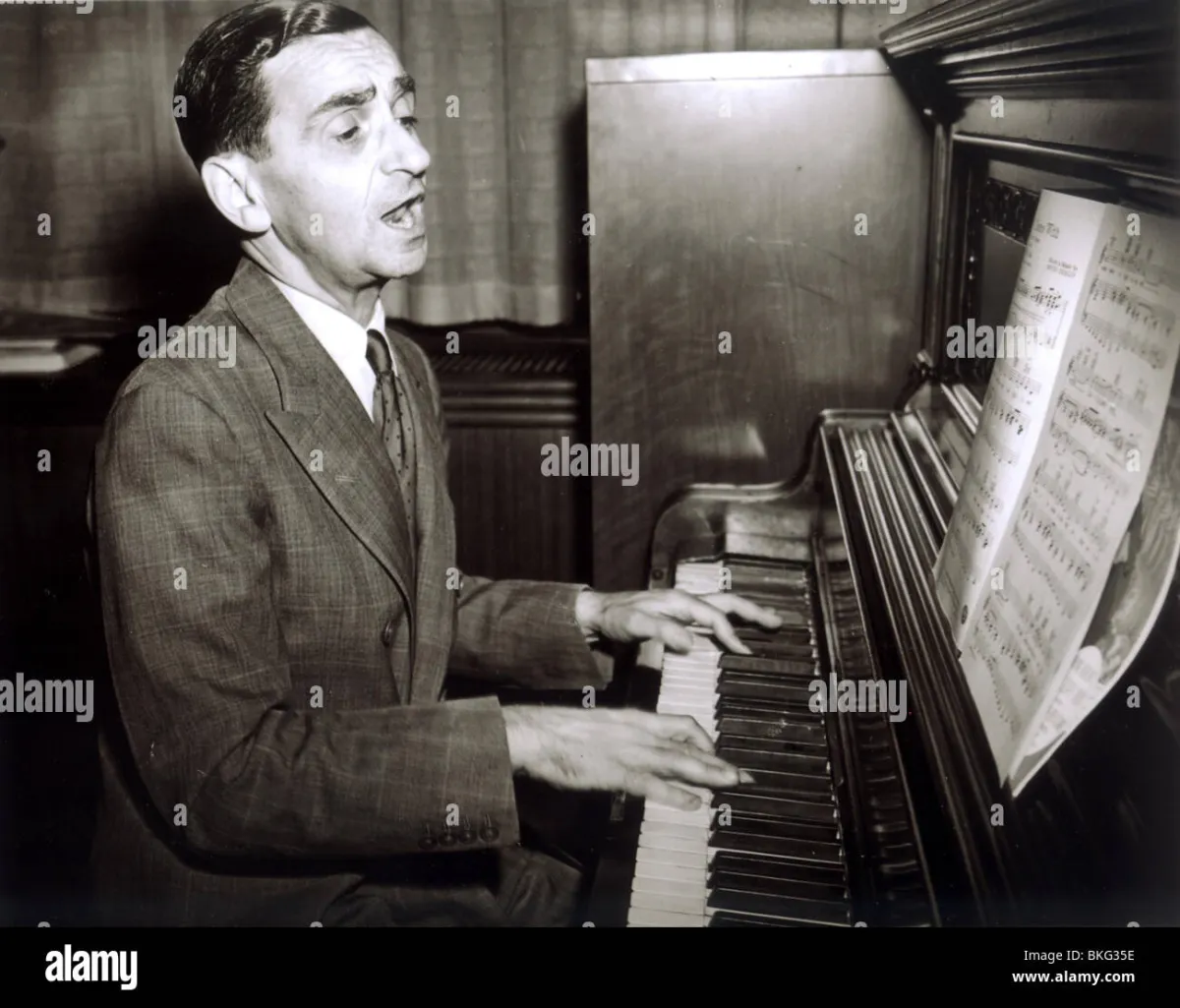 Photo: Irving Berlin, via c8.alamy.com
The piano bench served as America's original social media platform. Gatherings naturally centered around the instrument, with guests taking turns at the keyboard or joining in song. Courtship happened around piano benches, with young suitors impressing dates through musical performances. Holiday celebrations were unthinkable without gathered voices and piano accompaniment.
The Skills Everyone Possessed
Musical literacy was assumed rather than exceptional. Most Americans could read basic sheet music, pick out simple melodies, and sing harmony parts. Children learned piano the way they learned penmanship—as fundamental life skills rather than specialized talents.
High schools maintained elaborate music programs not as extracurricular activities, but as core curriculum. Students routinely performed complex orchestral pieces and choral arrangements. Community bands and church choirs drew from deep pools of musically trained residents.
This widespread musical competence created a sophisticated audience for live performance. Concert halls and opera houses thrived because audiences understood musical complexity and could appreciate technical skill. People attended performances as active listeners rather than passive entertainment consumers.
When Silence Fell
The decline began subtly in the 1920s with radio's arrival. Families could suddenly access professional musicians performing in their living rooms without anyone touching a piano key. The convenience was intoxicating—entertainment without effort, music without practice, performance without preparation.
Television accelerated the shift in the 1950s, adding visual elements that made home music-making seem quaint by comparison. Why struggle through "Für Elise" when you could watch Ed Sullivan present the best entertainers in the world?
 Photo: Ed Sullivan, via www.edsullivan.com
By the 1960s, recorded music had become so sophisticated and accessible that home performance began feeling amateur by comparison. The Beatles' studio innovations couldn't be replicated on a parlor piano. Bob Dylan's harmonica and guitar seemed more authentic than formal piano training.
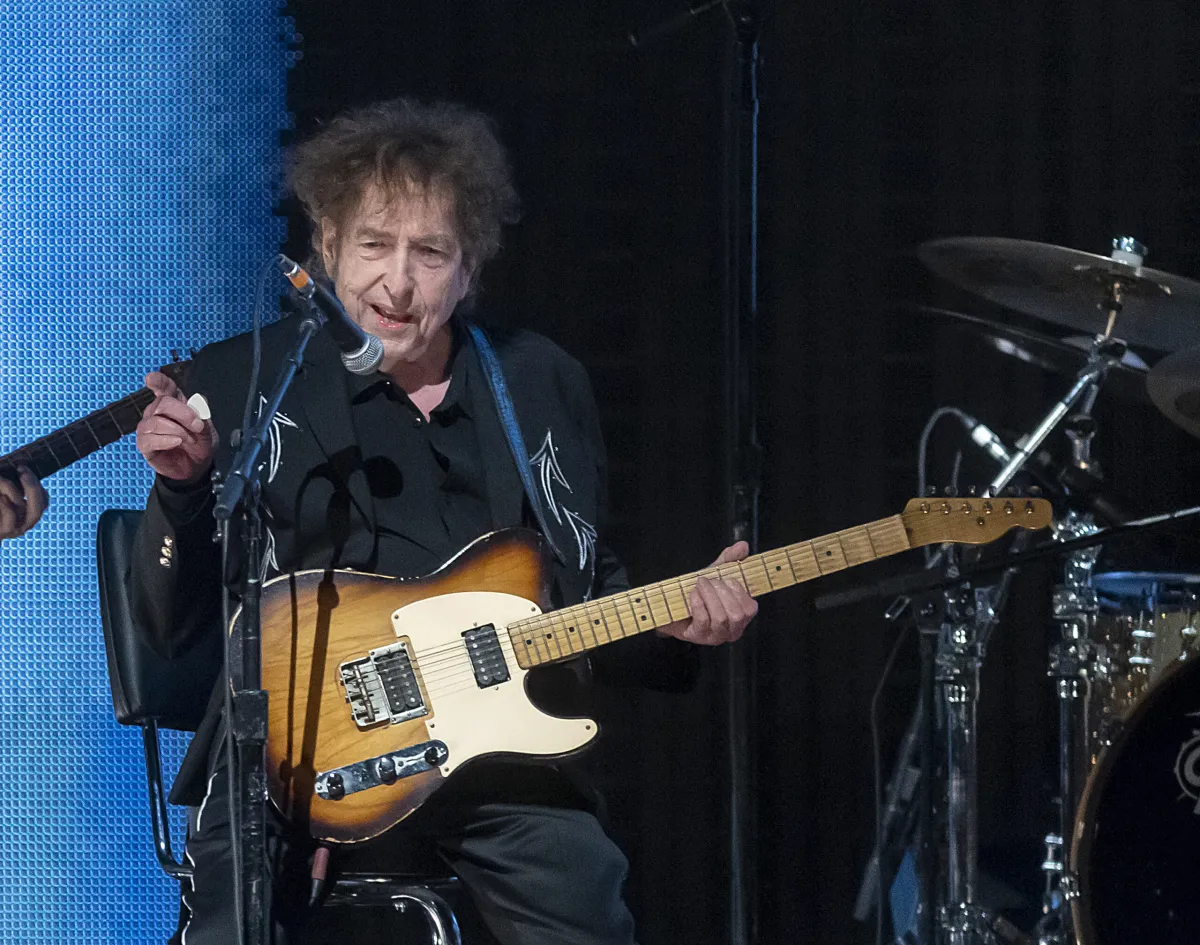 Photo: Bob Dylan, via www.rollingstone.de
The Great Silencing
Today's American homes contain more musical technology than ever before—smartphones with streaming access, Bluetooth speakers, smart home systems that respond to voice commands. We can summon any song ever recorded within seconds. Yet these same homes often lack a single acoustic instrument.
Piano sales have collapsed from those 1910 highs to fewer than 40,000 annually in recent years. Music lessons have become expensive extracurricular activities rather than assumed childhood education. Parents invest thousands in sports equipment and competitive teams while considering a $50 keyboard an adequate musical outlet.
The average American teenager can navigate complex video game soundtracks and identify hundreds of pop songs but cannot read basic musical notation or play simple melodies. We've created a generation of sophisticated music consumers who are essentially musical illiterates.
What Algorithm-Driven Listening Cost Us
Modern music consumption is increasingly passive and isolated. Streaming algorithms curate personalized playlists that require no effort or decision-making. We listen through earbuds rather than shared speakers, creating individual soundtracks instead of communal experiences.
The social aspects of music-making have largely disappeared. Families no longer gather around instruments for entertainment. Holiday celebrations rely on background playlists rather than participated singing. We've lost the skills that once made every home a potential concert hall.
This shift represents more than changed entertainment preferences—it reflects the broader transformation from active to passive leisure. Where families once created their own culture through music-making, we now consume culture created by others.
The Empty Piano Bench
Drive through older neighborhoods and you'll occasionally spot them through windows—abandoned pianos pushed against walls, their keys silent under accumulated dust. Some have been converted to decorative plant stands or storage surfaces. Others wait hopefully for grandchildren who might rediscover their voices.
These silent instruments represent more than changing technology—they mark the end of an era when entertainment meant participation rather than consumption. The parlor piano once transformed ordinary living rooms into performance spaces where families created memories through shared music-making.
The Songs We Stopped Singing
The death of home music-making has cultural implications we're only beginning to understand. We've lost the democratic aspect of musical participation—the understanding that music belongs to everyone, not just professionals. We've abandoned the cognitive benefits of musical training and the social bonds created through shared performance.
Most significantly, we've forgotten that entertainment was once something families did together rather than something they consumed separately. The parlor piano era ended not because technology improved music—it ended because we decided that convenience mattered more than participation.
In trading the family piano for infinite streaming options, we gained access but lost agency. We can hear anything but play nothing. The living room that once rang with amateur performances now sits quietly while algorithms decide what we should hear next. The silence is deafening.