When Every Neighborhood Had a Blue Oasis: How America's Public Pools Went From Community Centers to Forgotten Relics
The Summer Democracy That Disappeared
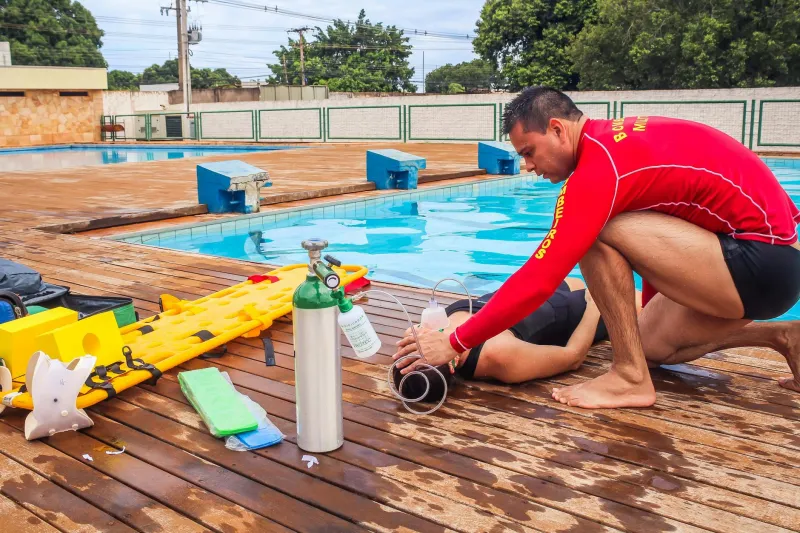
Every American neighborhood once had its blue oasis. Municipal swimming pools stretched across suburbia like scattered jewels, each one a miniature democracy where the banker's kid and the mechanic's daughter shared the same chlorinated water. The lifeguard stand wasn't just a perch for teenage authority—it was a symbol of community investment, staffed by local kids who'd grown up in these very lanes.
Today, those same pools sit cracked and drained, victims of budget cuts and neglect, while families drive past them to reach private clubs that cost more per month than their grandparents spent on recreation in an entire year.
When Swimming Was a Public Service
In the 1950s and 60s, building a municipal pool ranked alongside constructing schools and fire stations on the civic priority list. Cities understood that recreation wasn't luxury—it was infrastructure. A typical community pool cost residents maybe 25 cents for kids, 50 cents for adults. Season passes ran about five dollars, roughly the cost of a movie ticket.
These weren't bare-bones facilities either. Municipal pools featured diving boards, concession stands, and well-maintained locker rooms. The City of Cleveland operated 23 public pools by 1970. Chicago maintained over 60. Even smaller towns took pride in their aquatic centerpieces, hosting swim lessons, water safety courses, and community events that brought neighbors together regardless of income.
 Photo: City of Cleveland, via ewscripps.brightspotcdn.com
The lifeguard chair represented the ultimate summer job—respected, well-paid, and competitive. Local teens trained for months to earn their Red Cross certification, knowing the position carried real responsibility and community recognition. Parents trusted these teenage guardians with their children's safety, and the guards took that trust seriously.
The Great Abandonment
Somewhere between the 1980s and today, America quietly abandoned its public pools. Budget-strapped municipalities began viewing aquatic facilities as expensive luxuries rather than essential services. Maintenance costs climbed while tax revenues stagnated. Insurance liability became a nightmare of paperwork and legal risk.
The numbers tell a stark story. Chicago now operates fewer than 30 public pools, serving a larger population than decades ago. Cleveland closed half its facilities. Nationwide, over 1,200 municipal pools have permanently shut down since 1990, according to the National Recreation and Park Association.
What replaced them? Private swim clubs, backyard pools for those who could afford them, and a growing generation of kids who never learned to swim properly. The American Red Cross reports that swimming ability has declined dramatically, particularly among minority communities who relied most heavily on public facilities.
Where Class Never Mattered
The old municipal pools served as great equalizers in ways we've forgotten. At Riverside Pool in Kansas City or Memorial Pool in Portland, the construction worker's family shared deck space with the lawyer's kids. Swimming lessons were universal—every child deserved water safety, regardless of their parents' bank account.
These pools hosted integrated communities before integration was fashionable elsewhere. While country clubs maintained exclusionary membership policies, public pools welcomed everyone who could pay the nominal admission fee. Friendships formed across economic lines during long summer afternoons of Marco Polo and diving contests.
Today's recreational swimming landscape looks dramatically different. Private swim clubs charge initiation fees starting at $500 and monthly dues exceeding $200. Backyard pools require homeownership and maintenance budgets that exclude vast swaths of middle-class families. Public aquatic centers, where they exist, often charge $15-20 per visit—pricing out the very families these facilities once served.
The Lifeguard Chair Stands Empty
The teenage lifeguard position has virtually disappeared along with the pools themselves. Modern aquatic facilities employ adult professionals with extensive certifications, higher wages, and year-round responsibilities. While this professionalization improved safety standards, it eliminated a crucial stepping stone for teenage employment and responsibility.
Local kids no longer compete for the prestige of watching over their neighborhood pool. The red cross on a white shirt doesn't carry the same community recognition it once did. Summer jobs for teenagers have shifted to retail chains and food service, removing the civic pride that came with protecting your neighbors' children.
What We Lost When the Water Drained
The decline of municipal pools reflects a broader retreat from public goods and shared spaces. Americans once believed that certain amenities—parks, libraries, swimming pools—belonged to everyone regardless of economic status. These facilities represented collective investment in community wellbeing.
When we abandoned public pools, we didn't just lose places to swim. We lost gathering spots where economic diversity was natural and welcome. We lost training grounds for teenage responsibility and employment. We lost the simple democratic principle that recreation shouldn't require membership in an exclusive club.
The Blue Oasis Memory
Drive through older American neighborhoods today and you'll spot them—empty concrete bowls where community once flourished. Some have been filled with dirt and converted to basketball courts. Others sit behind chain-link fences, slowly cracking under weather and neglect.
These abandoned pools represent more than failed municipal budgets. They mark the spot where America decided that shared spaces were too expensive to maintain, that public goods were luxuries we couldn't afford. The lifeguard stand that once symbolized community investment now stands as a monument to priorities that quietly shifted without anyone really noticing.
The blue oasis era ended not with dramatic closure announcements, but with gradual neglect and acceptance that some things just aren't public anymore. We traded the neighborhood pool for private solutions, and in doing so, lost something harder to quantify than chlorinated water—we lost the spaces where America's kids learned to swim together.