Wooden Bleachers, Warm Beer, and a Town That Had a Team: The Minor League America We Let Slip Away

Photo: Arthur Edward Blackmore, Public domain, via Wikimedia Commons
In the summer of 1987, in a town of maybe 30,000 people somewhere in the Carolinas or the Midwest or the Central Valley of California, a family of four could walk to the ballpark, buy four tickets, four hot dogs, and a couple of sodas, and get change back from a twenty-dollar bill. The stadium held maybe 3,000 people. The lights weren't quite bright enough. The infield had a bad hop in shallow left that the home team had learned to play around.
And the guy in the on-deck circle — the one warming up with two bats and squinting at the pitcher — might be in the big leagues by September.
That combination of cheapness, intimacy, and genuine possibility was the minor league baseball proposition. It wasn't a consolation prize for people who couldn't get to a major league game. For millions of Americans, it was something better.
The System That Covered the Map
At its peak, the minor league system was one of the most geographically democratic institutions in American sports. Hundreds of affiliated teams were scattered across the country in cities that the major leagues would never touch — places like Bluefield, West Virginia; Burlington, Iowa; Elizabethton, Tennessee; Visalia, California. Towns that had no reasonable claim to professional sports of any kind nevertheless had a team. A real team, connected to a real organization, developing real players who might one day be on national television.
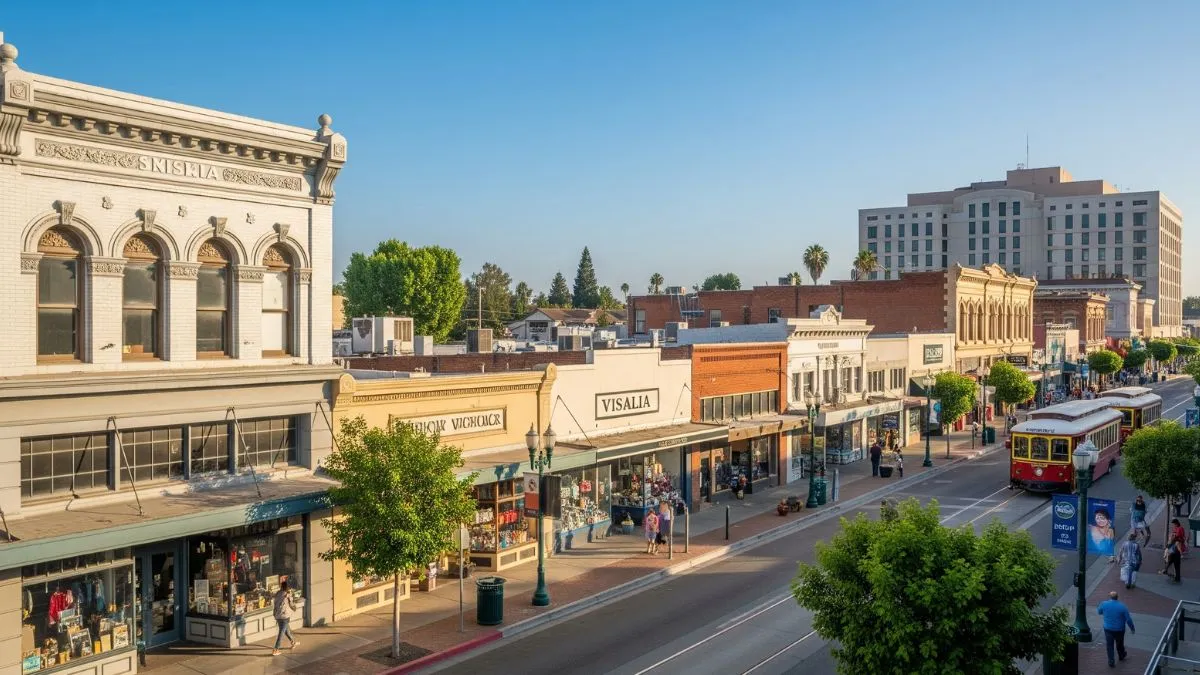 Photo: Visalia, California, via visitsequoianationalpark.com
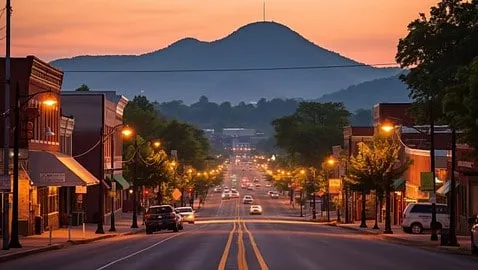 Photo: Elizabethton, Tennessee, via wondrousdrifter.com
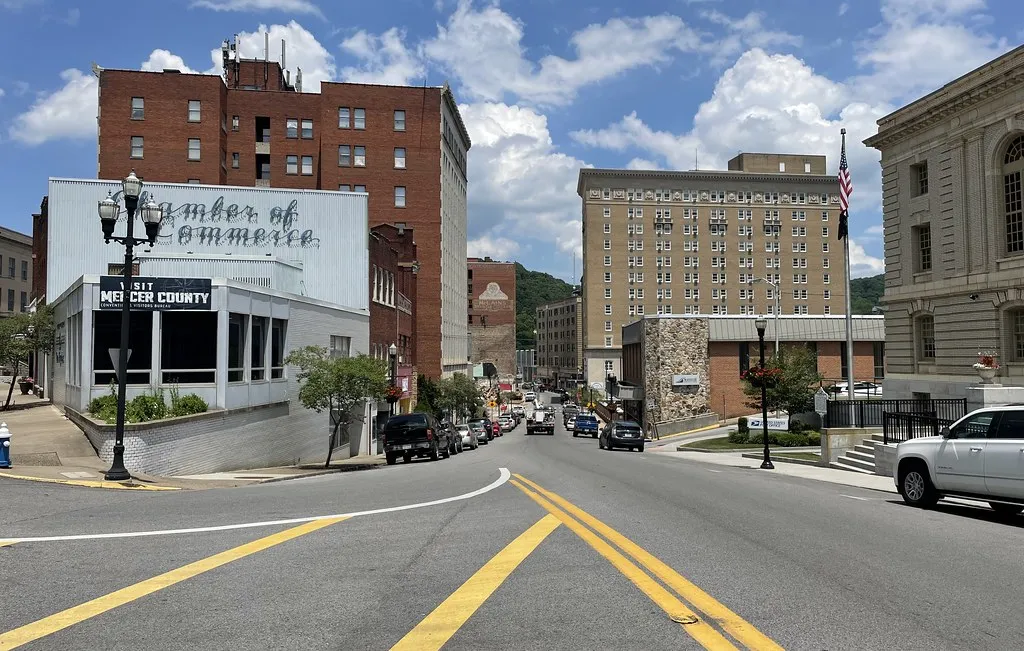 Photo: Bluefield, West Virginia, via live.staticflickr.com
The classifications ran from Rookie ball up through Single-A, Double-A, and Triple-A, each rung a step closer to the majors. Fans in small cities learned to read the system — to know that the kid at shortstop was the organization's top prospect, that the veteran catcher was on a rehab assignment, that the manager had played in the Show for three seasons in the late 80s.
It created a specific kind of local sports literacy. People in minor league towns didn't just follow their team. They followed the whole pipeline. They had opinions about the parent club's player development philosophy. They knew which prospects were worth watching.
The Dollar Ticket Was the Point
But the economics were what made it work for ordinary people in a way that major league baseball increasingly couldn't.
Through most of the 20th century, a minor league game was genuinely cheap. Bleacher seats in the 1950s and 60s could run fifty cents. By the 1980s, a general admission ticket might be two or three dollars. Parking was free or nearly so. The ballpark was usually downtown or close to it, which meant you could walk or take a short drive without planning your whole day around the logistics.
This wasn't incidental to the minor league experience — it was the whole architecture of it. The low prices meant that a factory worker could take his kids on a Tuesday night without it being a financial event. A group of teenagers could scrape together enough for tickets and nachos and make a summer night out of it. The ballpark wasn't a destination that required planning and budgeting. It was just a thing you could do.
And the players were approachable in a way that no major leaguer could afford to be. After the game, the third baseman who'd gone two-for-four with a double might be in the parking lot signing programs for kids, because he had nowhere else to be and the attention felt good. The social distance between fan and player in the minor leagues was essentially zero.
What the 2020 Contraction Actually Did
In the fall of 2020, Major League Baseball completed a reorganization of the affiliated minor league system that had been in negotiation for years. The Professional Baseball Agreement that had governed the relationship between MLB clubs and their minor league affiliates expired, and when the new structure emerged, 40 teams had been cut from the affiliated system entirely.
The official framing was about efficiency and player development. Fewer affiliates meant MLB organizations could concentrate resources, improve facilities at remaining sites, and give prospects better coaching environments. There's a real argument to be made for that position.
But the communities that lost their teams weren't consoled by improved player development metrics. Towns like Tri-City in New York, Burlington in North Carolina, and Elizabethton in Tennessee — places where affiliated baseball had been part of the local identity for decades — simply woke up one day without a team. The stadium was still there. The scoreboard was still there. The hot dog vendor had worked that stand for twenty years.
There was just nobody to play.
The Gap Nothing Has Filled
Some of those communities have found their way into the independent leagues — circuits that operate outside the MLB-affiliated structure, with older players, smaller budgets, and no pipeline to the majors. Independent ball has its own charm, and some leagues have built genuine local followings.
But it's not the same thing, and the towns that lost affiliated teams generally know it. Part of what made minor league baseball meaningful was precisely its connection to the larger story of the sport. When you watched a kid play shortstop in Single-A, you were watching a chapter in a story that might end in a World Series. The affiliated system made every small-town ballpark a footnote in the national pastime.
Independent ball, for all its appeal, doesn't carry that thread.
The remaining affiliated teams, meanwhile, have moved noticeably upmarket. Facility upgrades required by MLB's new standards have pushed ticket prices higher. Concessions have gotten more expensive. The gap between a minor league game and a major league game in terms of cost has narrowed considerably — which sounds like progress until you remember that the whole point of the minor leagues was that the gap was supposed to be enormous.
The Thing That Leaves With the Team
When a minor league team folds or loses its affiliation, the loss is concrete and easy to measure: ticket revenue, jobs at the ballpark, summer nights that used to draw people downtown.
But there's something harder to quantify that goes with it. A minor league team gave a small city a shared subject. Something to argue about, follow, and care about together. The standings in the paper on a Wednesday morning were a small point of common reference — a thing that the guy at the diner and the woman at the pharmacy and the kids at the pool all knew about.
Sports have always done that work for American communities. When the team disappears, that particular kind of common ground disappears with it.
The wooden bleachers are still out there in a lot of towns. The lights still work. The infield still has that bad hop in shallow left.
But the summer isn't quite the same without something to come home and check the score on.