The Listening Booth Was Three Minutes of Pure Possibility: How Music Discovery Became a Machine's Job
Photo: Phillip Pessar, CC BY 2.0, via Wikimedia Commons
The Listening Booth Was Three Minutes of Pure Possibility: How Music Discovery Became a Machine's Job
The booth was maybe four feet wide. There was a padded stool, a turntable behind a panel of smudged glass, and a pair of headphones that had been on a thousand other heads before yours. You handed the record to the clerk, they slipped it from the sleeve with practiced care, and for the next three minutes the rest of the store ceased to exist.
This was how Americans met new music for most of the twentieth century. Not through a recommendation engine. Not through an autoplay queue. Through a physical act of commitment — you picked the record, you asked to hear it, and you listened with the full knowledge that you were about to spend real money on whatever was coming through those headphones.
The stakes were low by adult standards. An album might run $3.99 in 1968, maybe $8.99 by the mid-1980s. But for a teenager with a limited budget and a deep need for the right music, that purchase was significant. It required research, conversation, and judgment. It required, in a word, investment.
The Clerk Who Changed Your Life
Before the algorithm, there was the record store employee — a figure who has since been mythologized (fairly) in films like High Fidelity but who was, in reality, one of the most quietly influential cultural forces in American music history.
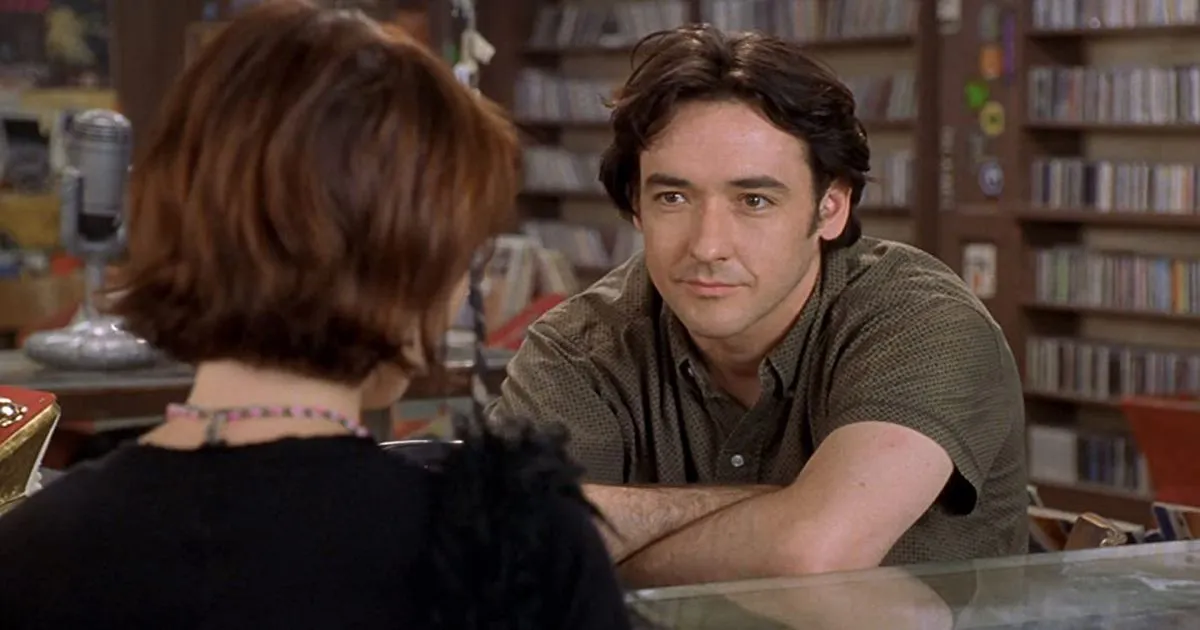 Photo: High Fidelity, via static1.moviewebimages.com
These were people who cared about music in a way that felt almost aggressive. They had opinions. They pushed back on safe choices. They'd hear you mention one artist and disappear into the stacks to return with three records you'd never heard of but absolutely needed to own. Their recommendations were personal, sometimes eccentric, and often transformative.
Ask anyone who came of age between 1955 and 1995 about their music education, and a record store clerk will appear in the story somewhere. Not as a search result. As a person — someone with a name, a strong jawline, and a probably-too-loud opinion about why you were making a mistake buying that particular record.
That human curation was imperfect, biased, and occasionally insufferable. It was also irreplaceable, because it came attached to a relationship and a perspective. The clerk wasn't optimizing for your engagement metrics. They were sharing something they loved and hoping you'd love it too.
Radio as Ritual
The record store didn't operate in isolation. It existed within an ecosystem of music discovery that now sounds almost quaint in its richness.
AM radio in the 1950s and 60s introduced Americans to rock and roll through DJs who were genuine tastemakers — figures like Alan Freed and Wolfman Jack who understood that the presentation of music was itself an art form. By the 1970s and 80s, FM radio had developed a culture of album-oriented programming where a good DJ didn't just play hits. They sequenced records, told stories between tracks, and built a relationship with their audience that extended over years.
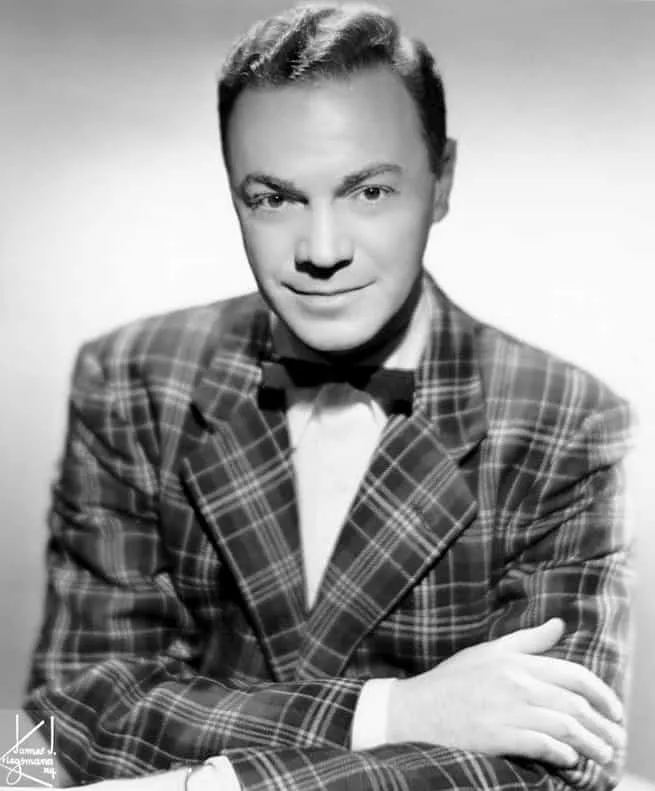 Photo: Alan Freed, via cdn.historycollection.com
Listening to the radio was an act of shared experience. The song playing at 7:15 on a Tuesday morning was the same song playing in cars across the city. You didn't choose it. It arrived, and you either fell in love with it or you didn't. That element of surprise — of music finding you rather than you finding music — created connections that were genuinely communal.
Word of mouth filled the gaps between radio and record store. A friend pressed a cassette tape into your hand with a look that said you have to hear this. You listened on a Walkman during a bus ride and arrived at school changed in some small but real way. The recommendation meant something because it came with social weight attached. Your friend's taste was on the line. So was yours.
When Discovery Became a Data Exercise
Streaming services did not set out to kill the magic of music discovery. They set out to solve a genuine problem — how do you give people access to all the music ever recorded at a price that works? They solved it brilliantly. Tens of millions of songs, available instantly, for less than the price of a single album per month. By the pure metrics of access, it's an astonishing achievement.
But access and discovery are not the same thing. And the mechanism streaming platforms use for discovery — the algorithm, the curated playlist, the autoplay suggestion — operates on a fundamentally different principle than the listening booth or the opinionated clerk.
The algorithm knows what you've already liked. It uses that data to predict what you'll probably like next. It is, by design, a conservative system. It minimizes the risk of recommending something you'll skip, because skipping is bad for engagement. The result is a discovery experience that tends to confirm your existing taste rather than challenge it. You get more of what you already are, delivered smoothly and without friction.
What you don't get is the clerk who says, with mild impatience, that you should really stop buying the obvious choice and listen to this instead. What you don't get is the radio DJ who plays a ten-minute track at midnight because they think it's extraordinary and they want you to sit with it. What you don't get is the moment in the listening booth when the first thirty seconds of a record you'd never heard of rearranges something in your chest.
The Cost That Made It Count
There's one more dimension worth examining, and it's the most counterintuitive. The fact that music used to cost money — real money, meaningful money — was not simply a barrier. It was part of what made the relationship with music so intense.
When an album cost the equivalent of two hours of babysitting wages, you listened to it differently. You'd already spent time learning about it, maybe stood in that booth and given it your full attention. You brought it home and played it repeatedly, not because you'd forgotten what was on it, but because you'd made a commitment and you were going to honor it. Albums rewarded that patience. Deeper cuts revealed themselves. Sequences that seemed strange on first listen became essential.
Today's listener can hear a song, skip it, and never return without any cost at all. That frictionlessness is genuinely convenient. It's also, quietly, corrosive to the depth of attention that once made music feel like it belonged to you.
The Booth Is Still Out There, Sort Of
Vinyl has made a genuine comeback. Record stores — real ones, with listening stations and knowledgeable staff — still exist in most American cities, and the people who seek them out tend to be evangelical about the experience. The ritual is available. It's just no longer the default.
For most people, music now arrives through a speaker they didn't choose, in a sequence they didn't plan, selected by a system that has never heard a record in its life. It's efficient. It's impressive. And it is, in some specific and irretrievable way, a little less like falling in love.