The Gym That Belonged to Everyone: When America's Public Spaces Didn't Need Your Credit Card
The Gym That Belonged to Everyone: When America's Public Spaces Didn't Need Your Credit Card
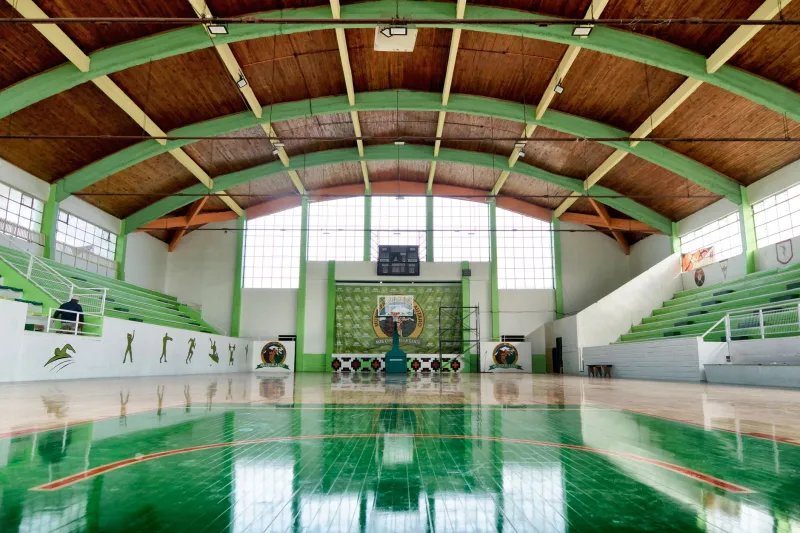
Picture a Friday night in a mid-sized American town sometime in the late 1960s. The high school gymnasium is lit up. Inside, maybe forty people are scattered across bleachers and folding chairs watching a pickup basketball game between guys who work at the mill and guys who teach at the school. Nobody paid to get in. Nobody signed a liability waiver. The janitor unlocked the door at six, and the community simply showed up.
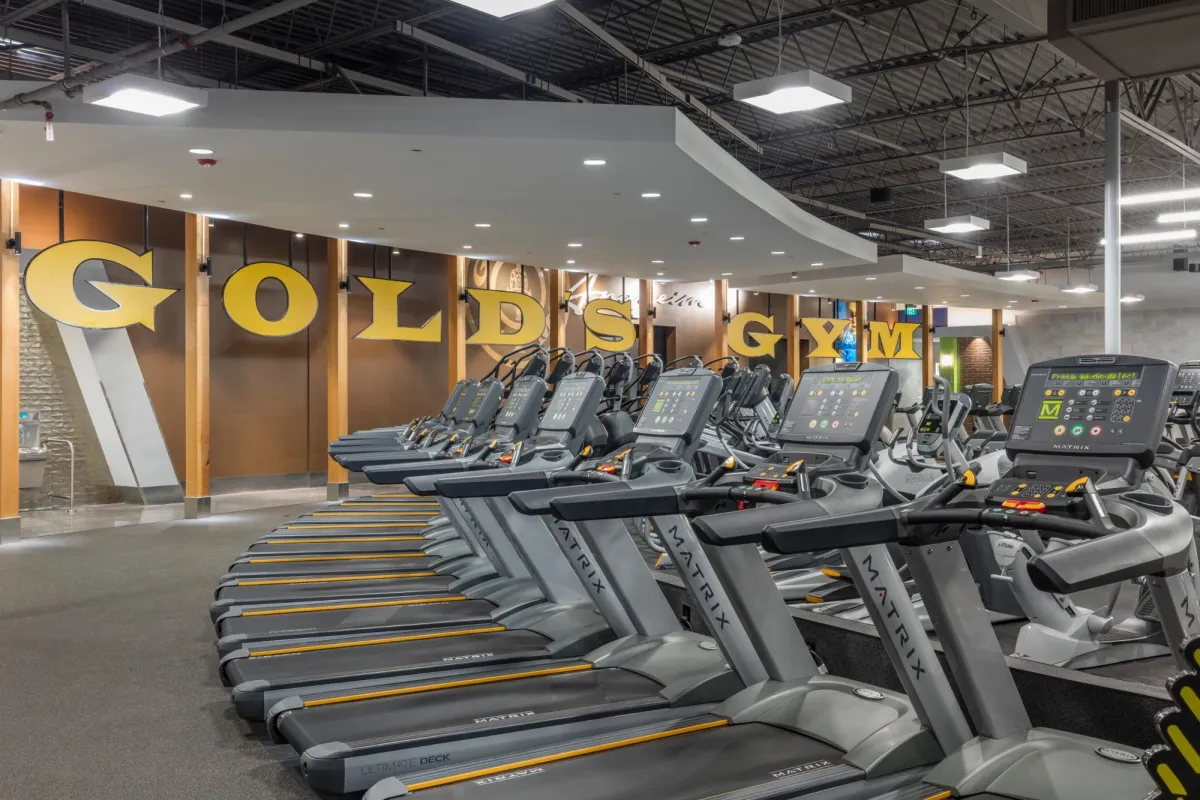 Photo: Gold's Gym, via assets-global.website-files.com
That scene played out in thousands of American towns for decades. It was unremarkable precisely because it was so ordinary. And that ordinariness is exactly what makes its disappearance so easy to miss.
The Open Door That Everyone Took for Granted
For much of the 20th century, the physical infrastructure of American civic life was genuinely communal in ways that are hard to fully appreciate now. Public school gymnasiums, church fellowship halls, municipal recreation centers, and park district facilities functioned as shared physical spaces that didn't require economic entry tickets.
A kid in a working-class neighborhood could walk to the rec center after school and shoot hoops until dinner. A church hall hosted a square dance on Saturday and a town hall meeting on Tuesday and a senior aerobics class on Thursday morning, all at no charge or a nominal one. The YMCA — before it became a full-service fitness facility with a price tag to match — was designed specifically to give working people access to physical activity and community space that they couldn't get elsewhere.
These weren't glamorous spaces. The floors were scuffed. The locker rooms smelled like decades of use. The equipment, where it existed, was basic. But they were accessible in the most fundamental sense of the word: you could get in without proving you could afford to be there.
What Changed, and When
The shift didn't happen all at once. It was gradual, driven by a convergence of forces that each seemed reasonable in isolation.
Public school budgets tightened through the 1970s and 80s, and community access to school facilities became a liability and insurance headache that administrators increasingly didn't want to manage. Churches that once ran robust community programs saw their congregations shrink and their buildings age. Municipal recreation budgets got cut during the fiscal crises that hit American cities hard in the late 70s and again in the early 2000s.
At the same time, the private fitness industry was growing fast. Nautilus machines arrived. Then aerobics studios. Then the big-box gym chains — Gold's, 24 Hour Fitness, LA Fitness — that offered more equipment and longer hours than any public facility could match. They made the old rec center look shabby by comparison, and plenty of Americans who could afford a membership happily made the switch.
The problem is what happened to the people who couldn't.
The Price of Wellness
Today, the American fitness landscape is one of the most stratified it has ever been. On one end, you have boutique studios charging $35 or $40 for a single class — cycling, barre, reformer Pilates, HIIT sessions with a live DJ. These spaces are beautifully designed, carefully branded, and completely disconnected from any notion of shared public access.
On the other end, budget chains like Planet Fitness have built a real business on ten-dollar-a-month memberships, which sounds like a return to accessibility until you realize that a ten-dollar monthly charge is still a barrier for a family already stretched thin — and that those gyms are rarely in the neighborhoods where the people who most need affordable fitness options actually live.
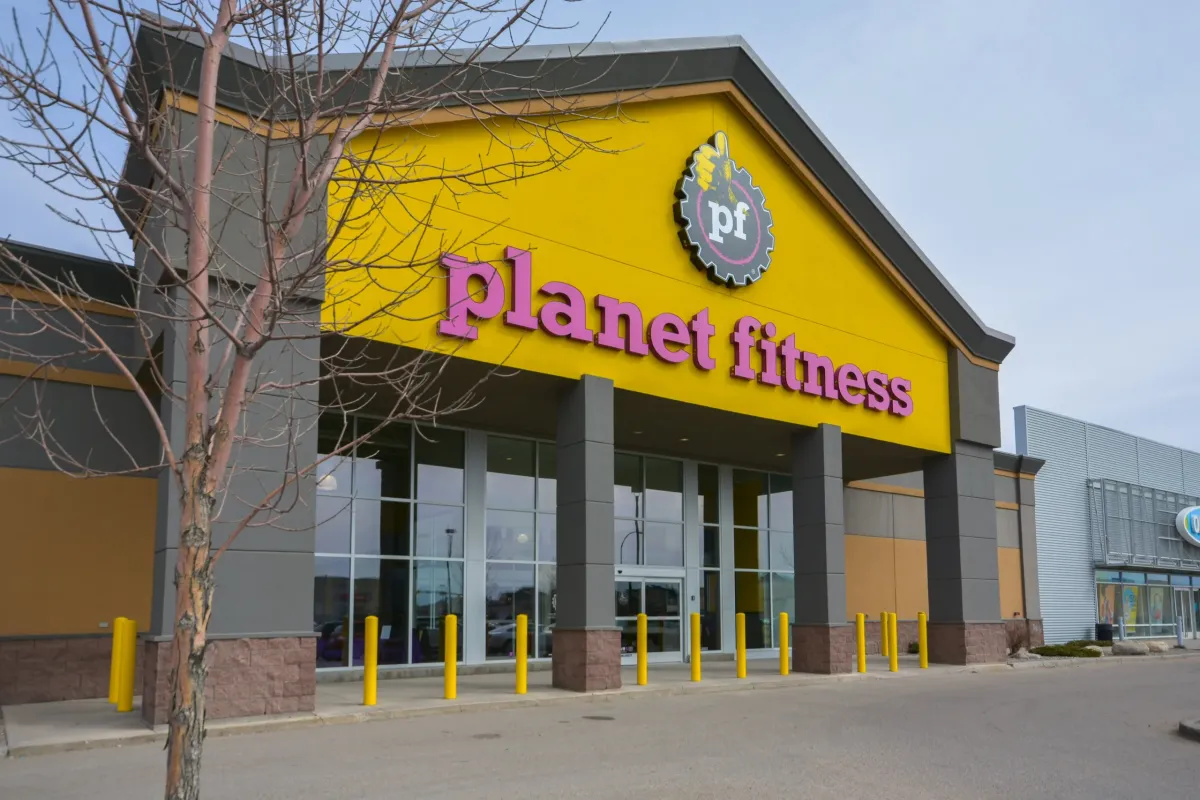 Photo: Planet Fitness, via www.hsea.ca
The zip code problem is significant. Research consistently shows that lower-income neighborhoods have fewer fitness facilities, fewer safe parks, and less walkable infrastructure than wealthier ones. The communities that most depended on those open school gyms and free rec centers are the ones that lost the most when those spaces closed or got locked behind fees.
What a Shared Floor Actually Did
It's worth being specific about what those free community spaces provided beyond just a place to exercise. They were genuinely social infrastructure in a way that a private gym with earbuds in every ear simply isn't.
The pickup basketball game at the school gym on a Tuesday night put a 17-year-old next to a 45-year-old. The Friday night dance at the Grange hall mixed farmers and shopkeepers. The church rec league didn't care what you did for a living. These weren't grand civic gestures — they were just what happened when a physical space was open and free and people showed up.
That kind of casual, cross-generational, cross-class mingling doesn't happen naturally in a place where everyone has paid for a specific product and is there to consume it efficiently before getting back to their day. The economics of private fitness spaces select for a particular demographic and then optimize the experience for that demographic. Which is fine as a business model. It's a disaster as a community model.
The Membership We Never Voted For
Nobody held a town meeting and decided that shared physical spaces should become private commodities. It just happened — through a thousand small budget cuts, insurance decisions, and market forces that each made sense on their own terms.
But the cumulative result is a country where the simple act of showing up somewhere to play, move, and be around other people has been quietly priced and gatekept in ways that would have seemed absurd to someone walking into a school gym in 1968.
The floor is still there in a lot of those old buildings. The hoops are still up. The space hasn't gone anywhere.
It's just that somewhere along the way, we forgot that the whole point was that anyone could walk through the door.